
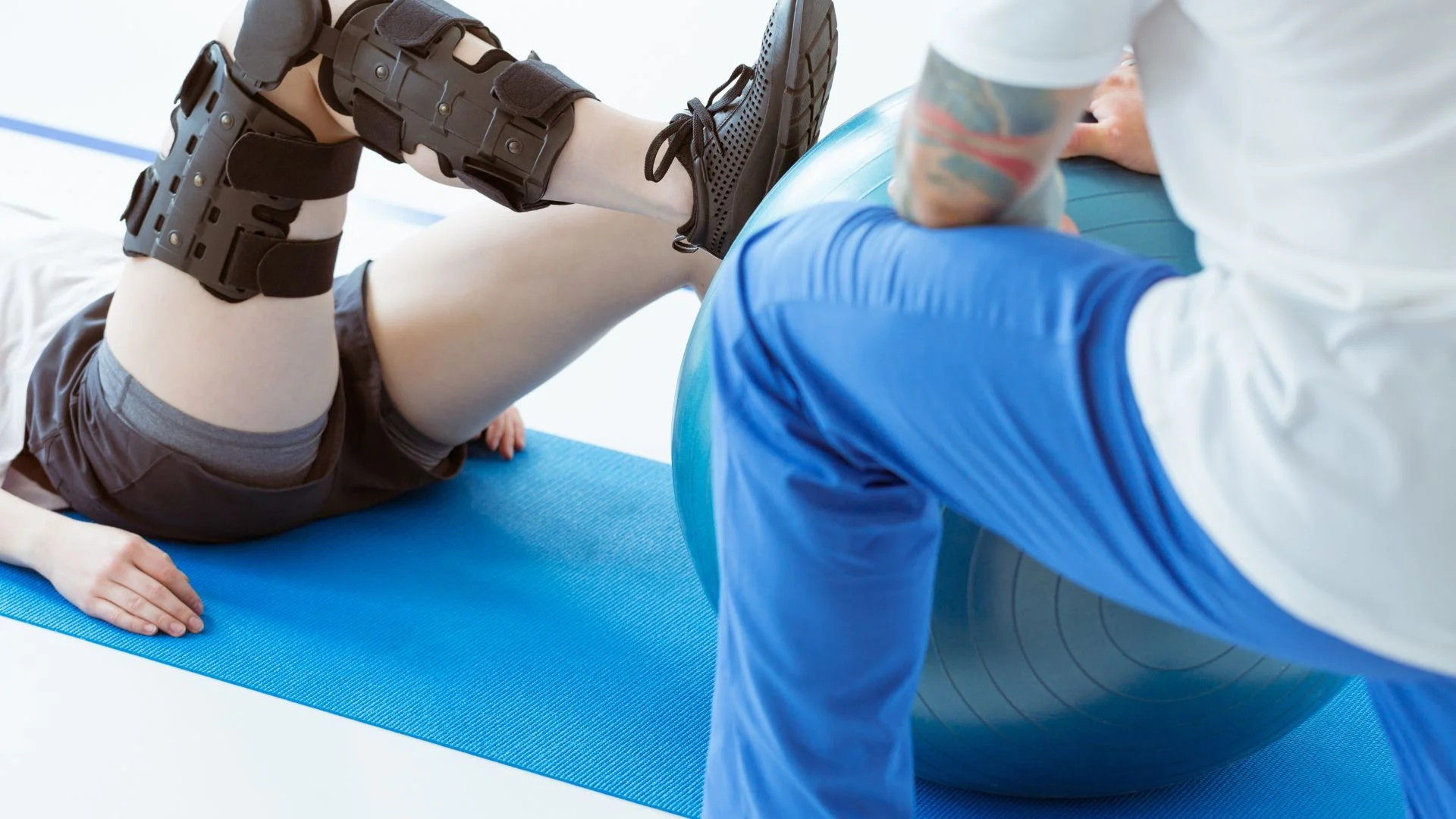
Injuries don’t usually happen because something suddenly “goes wrong.” They build quietly. A knee that dips inward when fatigue sets in. An ankle that hesitates just long enough on landing. A shoulder that doesn’t quite brace before a throw. These moments are easy to miss, until one day the body pushes back. That’s where injury prevention exercises start to matter, not after pain appears, but long before it does.
This blog breaks down how the nervous system influences movement, why strength alone isn’t enough to stay injury-free, and how smarter training helps the body react better when it really counts.
What Neuromuscular Training Actually Is
Neuromuscular training focuses on how the brain and muscles talk to each other during movement. Every step, jump, or reach depends on timing. Muscles must switch on in the right order, at the right speed, with the right level of force. When that timing is off, joints lose protection.
This type of training improves awareness and control rather than raw strength. It teaches the body where it is in space and how to react quickly when conditions change. That reaction speed is often the difference between a clean landing and an awkward one.
Why Strong Bodies Still Get Injured
Traditional training builds muscle, endurance, and flexibility. All important. But many injuries don’t happen during slow, controlled movements. They happen during split-second decisions. Sudden direction changes. Unexpected contact. Fatigue near the end of a session.
When coordination drops, movement quality slips. Knees collapse inward. Ankles roll. Hips fail to control rotation. These breakdowns may last only a moment, but that’s all it takes. Strength didn’t disappear. Timing did.
That’s the gap most programs miss.
How the Nervous System Acts as a Safety System
Sensors in muscles, tendons, and joints constantly send information to the brain about position and load. This feedback allows the body to make fast corrections before damage occurs. When this system works well, joints stay aligned and forces spread evenly.
When it doesn’t, muscles activate too late. Stabilizers lag behind movement. Protective reactions arrive after impact instead of before it. Over time, repeated delays increase stress on ligaments and cartilage.
Neuromuscular training sharpens this feedback loop. Better awareness leads to faster responses. Faster responses mean fewer injuries.
What Effective Injury Prevention Training Includes
There’s no single magic exercise. It’s about layering skills that work together.
Well-designed injury prevention exercises challenge balance, coordination, and control under realistic conditions. They teach the body to stay organized when movement gets messy.
Common elements often include:
- Single-leg balance work with movement
- Controlled jumping and soft landings
- Direction changes with body control
- Reaction drills that test timing
- Strength work that prioritizes alignment
The focus isn’t on how much weight is lifted. It’s on how well the body moves while doing it.
Why This Training Works Beyond Sports
Slipping on a wet floor. Missing a step on the stairs. Twisting unexpectedly while carrying something heavy. These situations demand quick, coordinated responses. The body doesn’t get time to think. It reacts or it doesn’t.
Training movement awareness reduces the risk of sprains and falls in daily life. It also builds confidence. People move more freely when they trust their body to respond correctly. That confidence alone changes how safely someone moves through the world.
This is where injury prevention exercises quietly protect people outside the gym as well.
Why Re-Injuries Happen Without This Training
After injury, the nervous system becomes cautious. Muscle firing patterns change. Balance often declines. Even when strength returns, timing issues can linger below the surface.
Neuromuscular training addresses these hidden gaps. It restores confidence in loading joints and improves reaction speed. That’s why rehab programs that include this approach see fewer repeat injuries.
It reconnects healing tissue with real-world movement demands. Without it, the body may feel strong, but still move defensively.
Making It Part of Regular Training
Short sessions built into warm-ups or cool-downs are enough. Five to ten minutes of focused movement work adds up quickly. Over time, coordination improves, reactions sharpen, and movement becomes more automatic.
Progress should be gradual. Start with slow, controlled patterns. Then add speed, unpredictability, or fatigue. Quality always comes first. When form slips, benefits drop.
That’s how injury prevention exercises stay effective rather than becoming another routine done on autopilot.
Conclusion
Injury prevention isn’t just about stretching more or lifting heavier. It’s about how efficiently the brain and body work together when movement gets unpredictable. Neuromuscular training strengthens that connection, improving timing, balance, and control where it matters most.
When injury prevention exercises are built around awareness and reaction, the body becomes better prepared for real-world demands. Injury prevention exercises stop being an afterthought and start becoming a foundation. And with injury prevention exercises done consistently, injury stops feeling like bad luck and starts looking like something that can actually be avoided.