
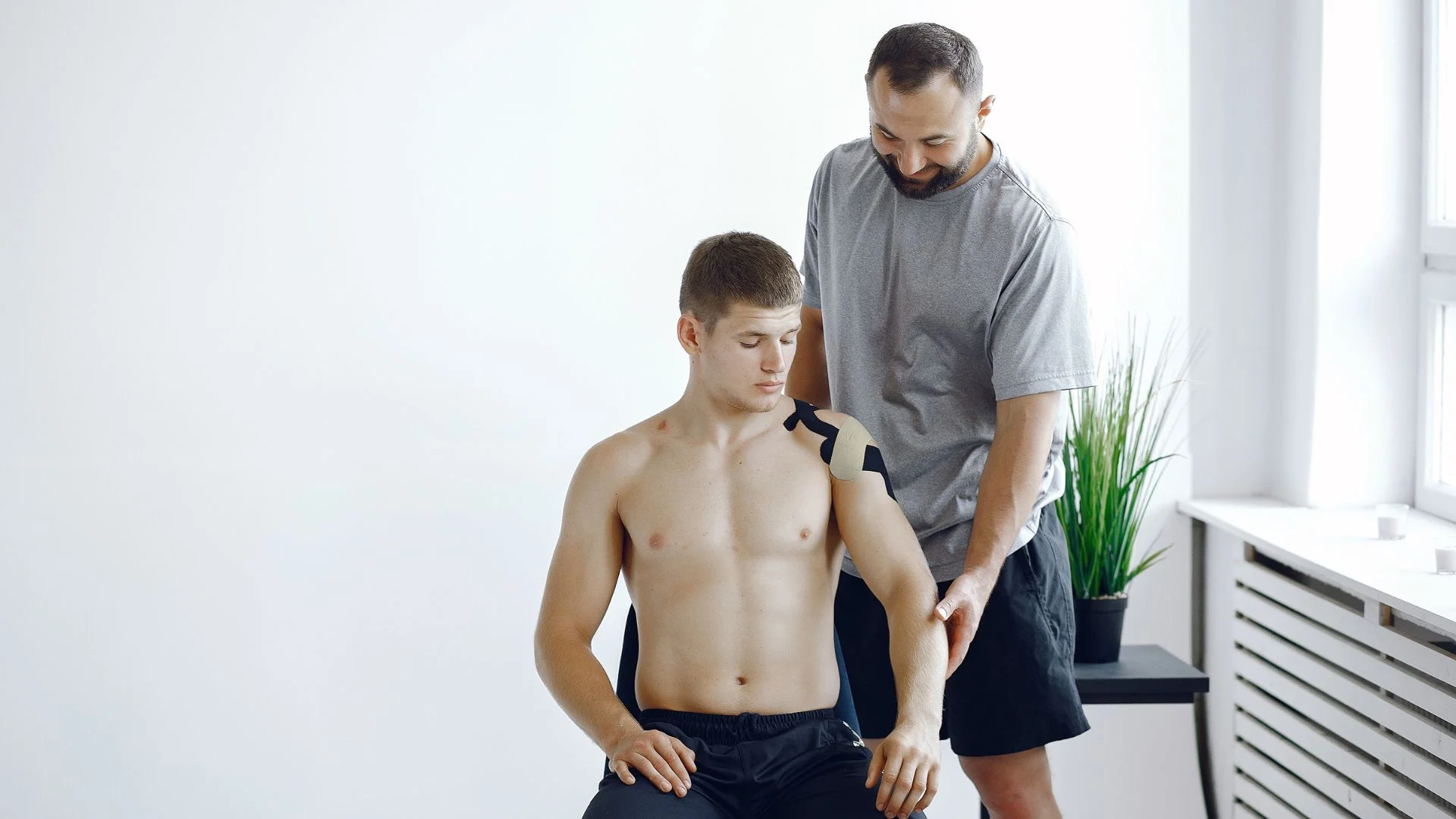
Walk into any gym, and it’s full of ambition. Heavier lifts. Faster sprints. Better definition. Everyone’s chasing something. But somewhere between progressive overload and personal bests, small aches start creeping in. Tight shoulders. A cranky knee. That lower back that feels “off” after deadlifts. That’s when conversations about physiotherapy for gym injuries begin.
The thing is, physio isn’t just for when something goes wrong. It can actually help things go right. Smarter movement. Better recovery. Stronger performance. So is it about staying injury-free, or leveling up in the gym? Honestly, it’s both.
This blog breaks down how physiotherapy supports gym-goers, whether the goal is protection, progress, or a bit of both.
Why Gym Injuries Sneak Up
Most gym injuries don’t explode into existence. They build quietly.
One slightly uneven squat. A shoulder that shifts forward during presses. Adding weight too quickly. Over time, those little things add up. Tendons get irritated. Muscles tighten. Joints start complaining.
Common triggers include:
- Poor lifting technique
- Skipping warm-ups
- Sudden jumps in training volume
- Ignoring minor pain
This is where injury prevention exercises become essential. Catching problems early is far easier than fixing them after weeks of strain.
Injury Prevention Is Not Playing Safe
There’s a myth that prevention means holding back. It doesn’t.
It means training smarter. A physiotherapist looks at how the body moves under load. Are knees tracking properly? Is the spine stable? Are your shoulders balanced? Small corrections reduce unnecessary stress.
Injury prevention exercises often focus on stabilizing muscles that don’t get much attention during heavy lifts. Glutes. Core. Rotator cuff. When those areas are strong, big compound movements feel smoother and safer.
That’s not limiting progress. That’s protecting it.
Mobility Changes Everything
Strength without mobility is like power without control.
Tight hips can alter squat depth. Limited ankle mobility can shift pressure to the knees. A restricted shoulder range can affect overhead presses. The body always finds a way to complete the movement, even if it compensates poorly.
Performance enhancement physiotherapy often includes targeted mobility drills tailored to gym routines. Improved joint range leads to cleaner form and more efficient lifts. And yes, it reduces injury risk too.
Mobility isn’t flashy. But it makes a difference.
Performance Isn’t Just About Lifting Heavier
Ask most gym-goers what progress means. The answer is usually more weight or more reps.
But performance also includes stability, coordination, and recovery speed. A body that moves efficiently produces force better. That’s where physiotherapy for gym injuries shifts from reactive to proactive.
Performance enhancement physiotherapy works on muscle balance and movement patterns. When both sides of the body are equally strong and stable, lifts feel more controlled. Explosive movements become sharper. Energy isn’t wasted on compensations.
It’s subtle. But powerful.
Signs It’s Time to See a Physio
Physiotherapy isn’t only for serious injuries. Sometimes it’s about patterns.
Watch for:
- The same joint aches after specific exercises
- One side feels weaker during lifts
- Limited flexibility that affects technique
- Slower recovery than usual
These are early signals. Ignoring them often leads to actual physiotherapy for gym injuries later. Addressing them early through injury prevention exercises keeps training consistent and confident.
Recovery Is Part of Performance
Hard sessions break down muscle. Recovery builds it back stronger.
But poor recovery habits can stall progress. Not enough rest days. Poor load management. Pushing through fatigue. Eventually, overuse issues show up.
Performance enhancement physiotherapy often includes guidance on load progression and muscle recovery. Soft tissue work, stretching plans, and balanced programming help reduce stress accumulation.
Better recovery equals better results. It’s not complicated. Just overlooked.
Technique Refinement Makes a Difference
Mirrors help. But they don’t tell the full story.
Subtle compensations often go unnoticed. A hip shifts slightly. A shoulder shrugs during pressing. These small deviations can overload specific tissues over time.
Physiotherapy for gym injuries often begins with a detailed movement assessment. Identifying and correcting these patterns improves lifting mechanics. Over time, improved technique leads to smoother movement and stronger output.
Clean movement isn’t just aesthetic. It’s efficient.
Prevention and Performance Are Linked
Here’s the truth. Injury prevention and performance aren’t separate paths.
A stable shoulder presses better. A mobile hip squats deeper. A strong core supports heavier loads. Injury prevention exercises build the foundation. Performance enhancement physiotherapy refines it.
When the body feels balanced and resilient, confidence increases. And confident training is consistent training. That consistency is where real progress happens.
Skipping prevention often means pausing progress later. No one enjoys that.
Conclusion
Physiotherapy for gym injuries is not just about fixing pain after it appears. It’s about understanding how the body moves under stress and making it stronger, more stable, and more efficient. Injury prevention exercises protect joints and muscles from overload. Performance enhancement physiotherapy sharpens technique and supports long-term progress.
For anyone serious about training, physiotherapy for gym injuries isn’t a last resort. It’s a strategic advantage. Prevent the setback. Boost the performance. Train smarter, not just harder.