
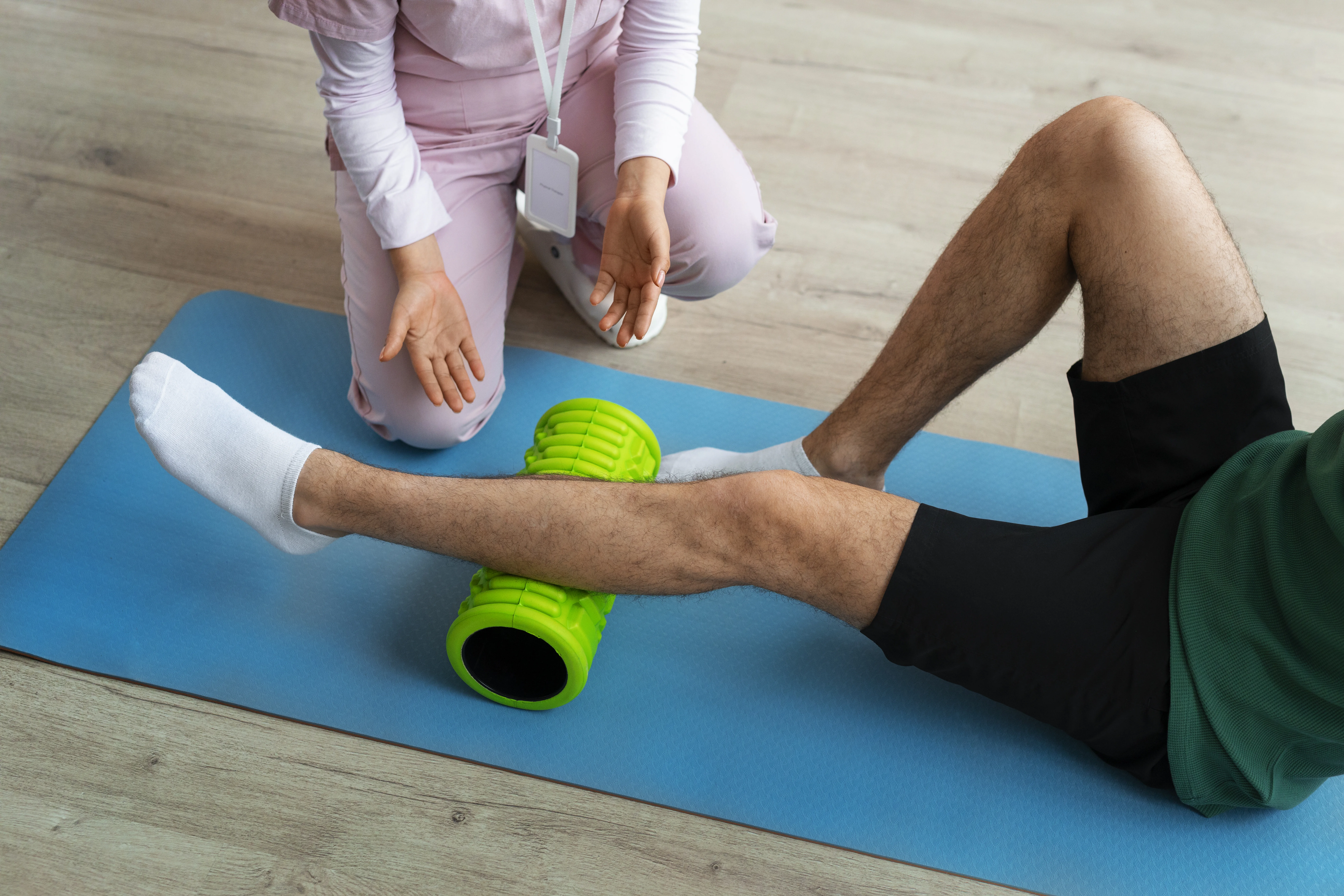
The best way to manage knee discomfort is not complete rest, but the right movement. Well-designed physiotherapy exercises for knee pain help reduce stiffness, improve strength, and support joint stability. When done correctly, they can ease discomfort and prevent the issue from returning.
Knee pain can come from many causes. Long hours of sitting, past injuries, or even simple overuse. The common thread is that the joint often needs better support and controlled movement, not avoidance.
This blog breaks down the most effective exercises, how they work, and how to use them safely for long-term relief.
Why Exercise Is Essential for Knee Pain Relief
The knee depends heavily on surrounding muscles for support. When these muscles are weak or tight, the joint takes extra stress.
That is why knee physiotherapy focuses on restoring balance. Stronger muscles reduce pressure on the knee, while improved flexibility allows smoother movement. Avoiding activity may feel helpful at first, but it often leads to more stiffness and discomfort later.
Movement, when done right, becomes part of the solution.
What Makes an Exercise Effective for Knee Pain?
Not every exercise helps. Some may even increase discomfort if done incorrectly.
Effective knee pain relief exercises physiotherapy usually follows a few key principles:
- Controlled and slow movements
- Focus on muscle activation, not just repetition
- Pain-free or minimal discomfort range
- Gradual progression over time
These factors ensure the joint is supported without unnecessary strain.
Best Physiotherapy Exercises for Knee Pain
Here are some commonly recommended movements that support recovery and strength.
1. Quadriceps Sets
This is often one of the first exercises used in knee physiotherapy.
- Sit or lie with your leg straight
- Tighten the front thigh muscle
- Hold for 5 seconds, then relax
This helps activate the muscles that support the knee without movement.
2. Straight Leg Raises
A simple but effective strengthening exercise.
- Lie on your back with one leg bent
- Keep the other leg straight and lift it slowly
- Lower it with control
This movement strengthens the quadriceps without stressing the joint.
3. Heel Slides
This exercise improves knee mobility.
- Lie on your back
- Slowly slide your heel toward your body
- Return to the starting position
It helps reduce stiffness and improves range of motion, making it a key part of knee pain relief exercises physiotherapy routines.
4. Hamstring Stretch
Tight hamstrings can pull on the knee and increase discomfort.
- Sit with one leg extended
- Gently lean forward from the hips
- Hold the stretch without bouncing
This improves flexibility and reduces tension around the joint.
5. Step-Ups
Once basic strength improves, functional movements are introduced.
- Step onto a low platform
- Step down slowly
- Maintain control throughout
This builds strength for everyday activities like climbing stairs.
How Often Should You Do These Exercises?
Consistency matters more than intensity. Doing too much too soon can slow progress.
A simple guideline:
- Start with 10 to 15 repetitions
- Perform 1 to 2 sets
- Practice 3 to 4 times per week
Gradually increase difficulty as strength improves. This approach is commonly used in knee physiotherapy programs to ensure steady progress.
Common Mistakes to Avoid
Even good exercises can become ineffective if done incorrectly.
Watch out for:
- Rushing through movements
- Ignoring pain signals
- Skipping warm-up or preparation
- Doing too many variations at once
The goal is quality, not quantity. Proper execution matters more than how many exercises are performed.
When to See a Physiotherapist
Some cases require professional guidance. Especially if pain is persistent or worsening.
Consider seeking help if:
- Pain lasts more than a few weeks
- Swelling or instability is present
- Movement becomes restricted
- Daily activities feel difficult
A physiotherapist can tailor physiotherapy exercises for knee pain based on individual needs, ensuring safer and faster recovery.
Common Questions About Knee Exercises
Are exercises safe during knee pain?
Yes, as long as they are controlled and do not increase pain. Guided knee pain relief exercises physiotherapy programs focus on safe movement.
Should you stop if there is discomfort?
Mild discomfort can be normal, but sharp or increasing pain is a sign to stop and reassess.
How long does it take to see results?
Most people notice improvement within a few weeks when exercises are done consistently.
The Bigger Picture of Knee Health
Exercises are just one part of recovery. Daily habits also matter.
Posture, walking patterns, and activity levels all influence knee stress. Combining exercises with better movement awareness creates long-term improvement. This is where structured knee physiotherapy becomes valuable.
Conclusion
Knee pain does not always require complete rest. In many cases, the right movement is the key to recovery. Well-planned physiotherapy exercises for knee pain help strengthen muscles, improve flexibility, and support joint function over time.
By focusing on controlled movements, consistency, and proper technique, individuals can reduce discomfort and regain confidence in their movement. Addressing knee issues early with the right approach not only relieves pain but also helps prevent it from returning, allowing the body to move more freely and comfortably in everyday life.