
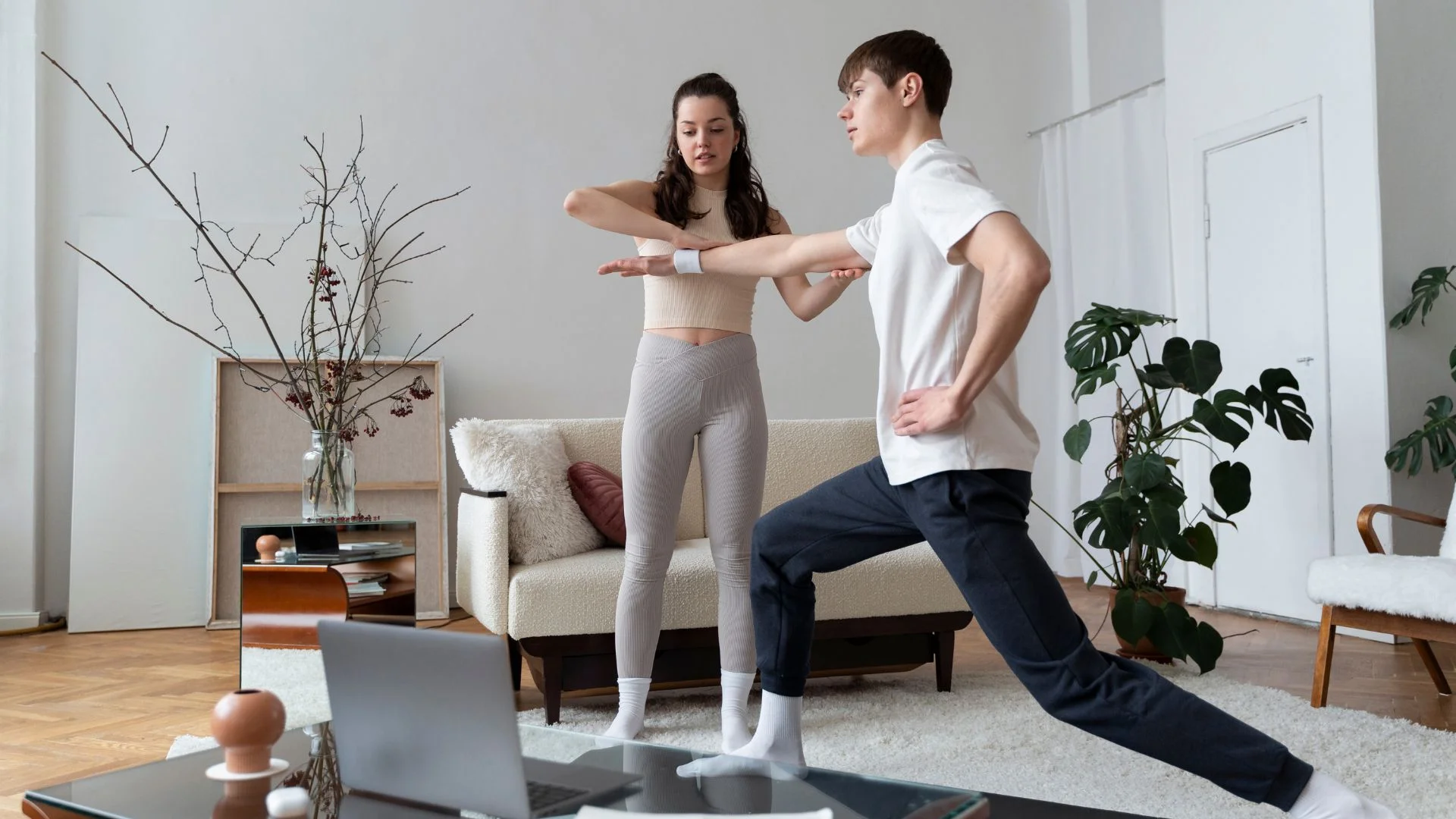
When pain shows up, the first instinct is usually simple. Stretch a little. Watch a video. Try a few exercises at home and hope things settle down. Sometimes they do. Sometimes they don’t. And that’s when the real question starts forming: home exercise vs supervised physiotherapy, which one actually works better?
It’s not always a straight answer. Some people improve quickly with a basic routine. Others stay stuck for weeks doing the same stretches with no real change. The difference often comes down to guidance, technique, and consistency.
This blog explores the differences between exercising independently at home and working with a physiotherapist, helping you decide what truly supports recovery and long-term rehabilitation effectiveness.
The Appeal of Home Exercise
Home workouts feel easy to start. No appointments. No travel. Just a mat and some time.
There’s something comforting about doing exercises in your own space. You can move at your own pace. Repeat instructions. Pause when needed. For mild stiffness or early discomfort, this can absolutely help.
But here’s the catch. Rehabilitation effectiveness depends on doing the right exercises in the right way. Without clear direction, it’s easy to repeat movements that don’t actually target the problem.
Convenience is powerful. Precision is even more powerful.
What Supervised Physiotherapy Brings
Supervised sessions feel different from day one. There’s an assessment. Observation. Adjustment.
A physiotherapist doesn’t just hand out exercises. They watch how the body moves. They notice subtle shifts, weak spots, and tight areas. That real-time correction is one of the biggest guided physical therapy benefits.
Exercises are progressed safely, not rushed. If something doesn’t feel right, it’s modified immediately. That kind of feedback increases rehabilitation effectiveness because mistakes are corrected early instead of repeated for weeks.
Technique Makes or Breaks Results
Two people can do the same exercise and get very different results.
At home, it’s easy to unknowingly compensate. Maybe the stronger side takes over. Maybe posture shifts slightly. These small errors reduce rehabilitation effectiveness over time.
Supervised physiotherapy addresses this directly. Some guided physical therapy benefits include:
- Real-time posture correction
- Muscle activation guidance
- Adjustments based on pain response
Small tweaks. Big difference. Technique isn’t everything. But it’s close.
Motivation and Accountability
Let’s be honest. Home routines don’t always survive busy weeks.
Work deadlines. Family responsibilities. Low energy days. It’s easy to skip a session and promise to “do it tomorrow.” Consistency drops, and so does rehabilitation effectiveness.
Supervised appointments create structure. Showing up becomes part of the routine. Accountability is one of the overlooked guided physical therapy benefits. Regular check-ins keep progress moving forward instead of stalling halfway through recovery.
When Home Exercise Can Be Enough
Not every issue requires constant supervision. Some conditions respond well to simple plans.
Home exercise may work when:
- Pain is mild and already improving
- Clear instructions were given earlier
- Movements feel stable and controlled
- There’s confidence in technique
In these cases, home exercise vs supervised physiotherapy becomes less about “better” and more about what’s necessary. Periodic follow-ups can maintain rehabilitation effectiveness without weekly visits.
When Supervision Becomes Essential
There are moments when self-guided care just isn’t enough.
If pain persists for weeks, worsens, or limits daily activity, supervised care is usually more effective. Post surgery recovery, joint instability, or recurring flare-ups often require professional oversight.
Guided physical therapy benefits shine in these situations because exercises need constant adjustment. Load progression must be monitored carefully. Pushing too hard or too little can delay rehabilitation effectiveness significantly.
Sometimes the body needs that expert eye.
Recovery After Injury or Surgery
Healing tissues follow stages. Too much stress too soon can slow recovery.
Supervised physiotherapy ensures exercises match the stage of healing. Swelling, range of motion, and strength are monitored closely. This structured approach improves rehabilitation effectiveness because progression is safe and timely.
Home exercise still plays a role here. But usually as a complement. Not a replacement. The balance between home exercise and supervised physiotherapy becomes clearer during structured recovery phases.
Cost and Time Factors
Home exercise costs less upfront. That’s undeniable.
But if a poorly designed routine extends recovery by months, the long-term cost grows. Lost workdays. Ongoing discomfort. Repeated flare-ups. Rehabilitation effectiveness matters more than short-term savings.
Supervised care requires time and financial commitment. Yet guided physical therapy benefits often include faster progress and fewer setbacks. Sometimes investing early prevents bigger expenses later.
It’s not just about convenience. It’s about results.
The Best Approach Is Often Both
This isn’t really a competition. It’s more of a partnership.
Many recovery plans begin with supervision to establish technique and direction. Then, home exercise reinforces progress between sessions. That combination strengthens rehabilitation effectiveness while building independence.
In the discussion of home exercise vs supervised physiotherapy, the most realistic answer is often both. Structure plus self-effort. Guidance plus consistency. That blend tends to deliver steady, lasting improvement.
Conclusion
The debate around home exercise vs supervised physiotherapy doesn’t have a one-size-fits-all answer. Home routines offer flexibility and independence, especially for mild conditions. Supervised care provides structured progression, correction, and accountability that improve rehabilitation effectiveness.
Guided physical therapy benefits become especially valuable for persistent pain, complex injuries, or post-surgical recovery. In many cases, combining both approaches leads to the strongest results.
Understanding how home exercise vs supervised physiotherapy fits your situation makes recovery smoother, smarter, and far more effective.