

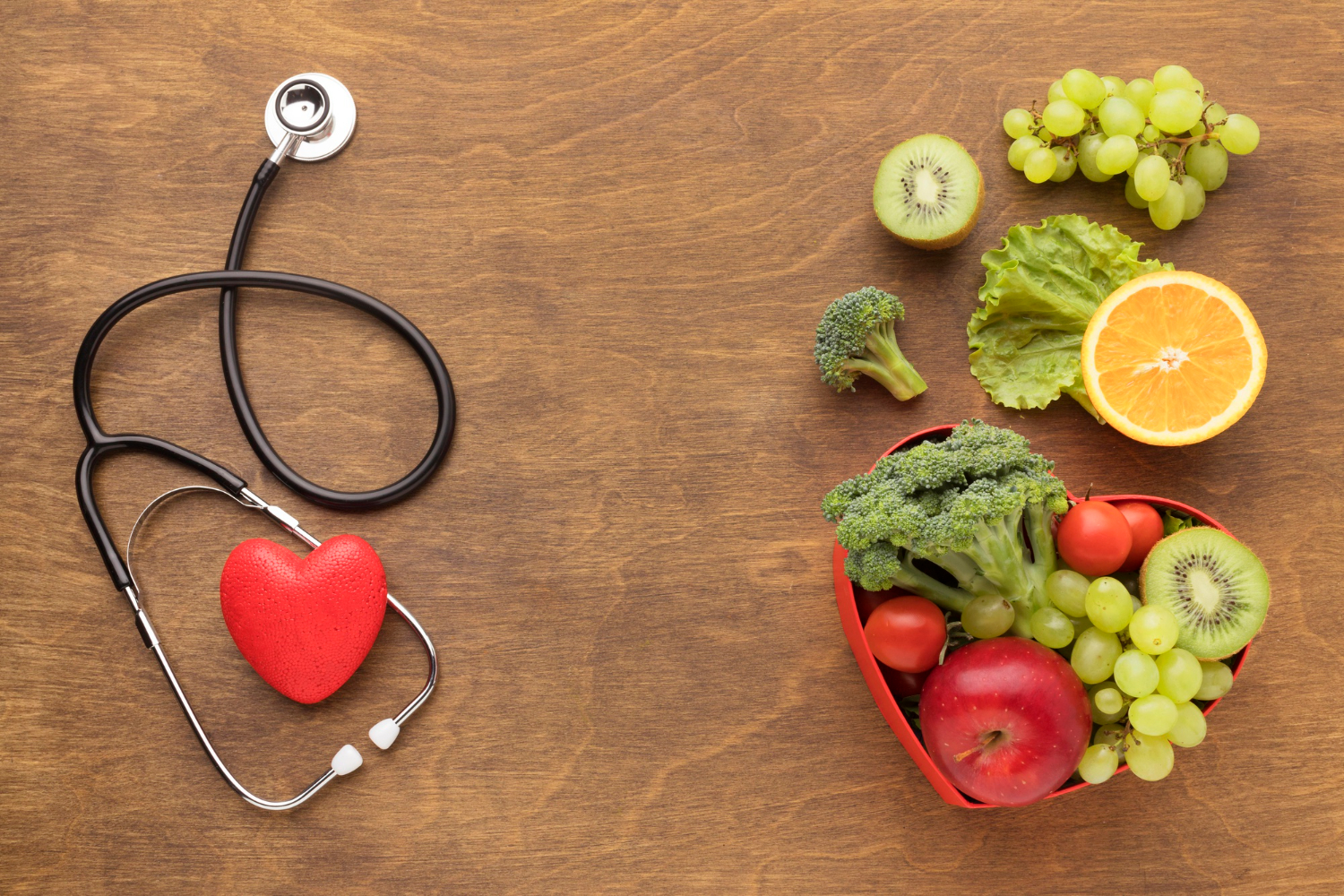
Heart Health
Recovering from a heart condition—whether it's a heart attack, surgery, or chronic illness—requires more than medication. Two powerful pillars support this journey: nutrition and cardiac rehabilitation. Together, they form the foundation for lasting heart health.
Why Nutrition Is Important After a Cardiac Event
Your heart needs the right fuel to heal. What you eat can either speed up or slow down recovery. According to the American Heart Association, a heart-healthy diet can lower the risk of future heart problems by up to 30%.
What a Heart-Smart Plate Should Include:
- Fruits and vegetables: At least 5 servings daily for fiber, vitamins, and antioxidants.
- Whole grains: Brown rice, oats, and quinoa help lower cholesterol.
- Lean proteins: Opt for fish, legumes, and skinless poultry. Fatty fish like salmon provide omega-3s.
- Healthy fats: Swap butter for olive oil and include nuts and seeds in moderation.
- Lower sodium and sugar: Excess salt raises blood pressure; sugar contributes to inflammation.
Tip: Read labels and choose foods with fewer than 140mg of sodium per serving.
The Role of Rehab in Heart Recovery
Cardiac rehab is more than exercise—it’s a medically supervised program tailored to your condition. The CDC reports that cardiac rehabilitation reduces the risk of dying from another heart event by up to 47% and lowers hospital readmission by 31%.
A Typical Cardiac Rehab Program Includes:
- Supervised exercise: Strengthens your heart and improves circulation.
- Education: Helps manage blood pressure, diabetes, and stress.
- Lifestyle counseling: Encourages quitting smoking, stress control, and healthy routines.
Tip: Be consistent. Most programs last 12 weeks with 2–3 sessions per week.
The Power of Combining Both
Nutrition and rehab complement each other. Proper nutrition fuels your body for exercise, while regular rehab sessions reinforce healthy eating habits. Together, they boost energy, improve emotional well-being, and strengthen long-term heart health.
Tip: Involve family members in meal prep and exercise. Support at home keeps you motivated.
Common Mistakes to Avoid
- Skipping meals: Leads to low blood sugar and overeating later.
- Excessive protein: Moderation is key; avoid overloading your kidneys.
- Ignoring mental health: Anxiety and depression are common after heart events; rehab programs often include counseling.
Simple Meal Suggestions
- Breakfast: Oatmeal with berries and a handful of walnuts.
- Lunch: Grilled chicken salad with olive oil dressing and whole grain bread.
- Dinner: Baked salmon, steamed broccoli, and brown rice.
- Snacks: Fresh fruit, low-fat yogurt, or mixed nuts.
Tip: Stay hydrated with water. Avoid sugary drinks and limit caffeine.
Conclusion
Healing your heart is a journey, not a sprint. Start small, stay consistent, and work with your healthcare provider to create a customized plan that blends nutrition and rehab for the best results.
At Arigato Wellness Center, we combine medical expertise with life coaching to support your recovery. From dietary plans to customized rehab exercises, we help you regain strength—body and soul.
Start your heart recovery today—call Arigato Wellness Center now.
Leave a Comment
Your email address will not be published. Required fields are marked *