
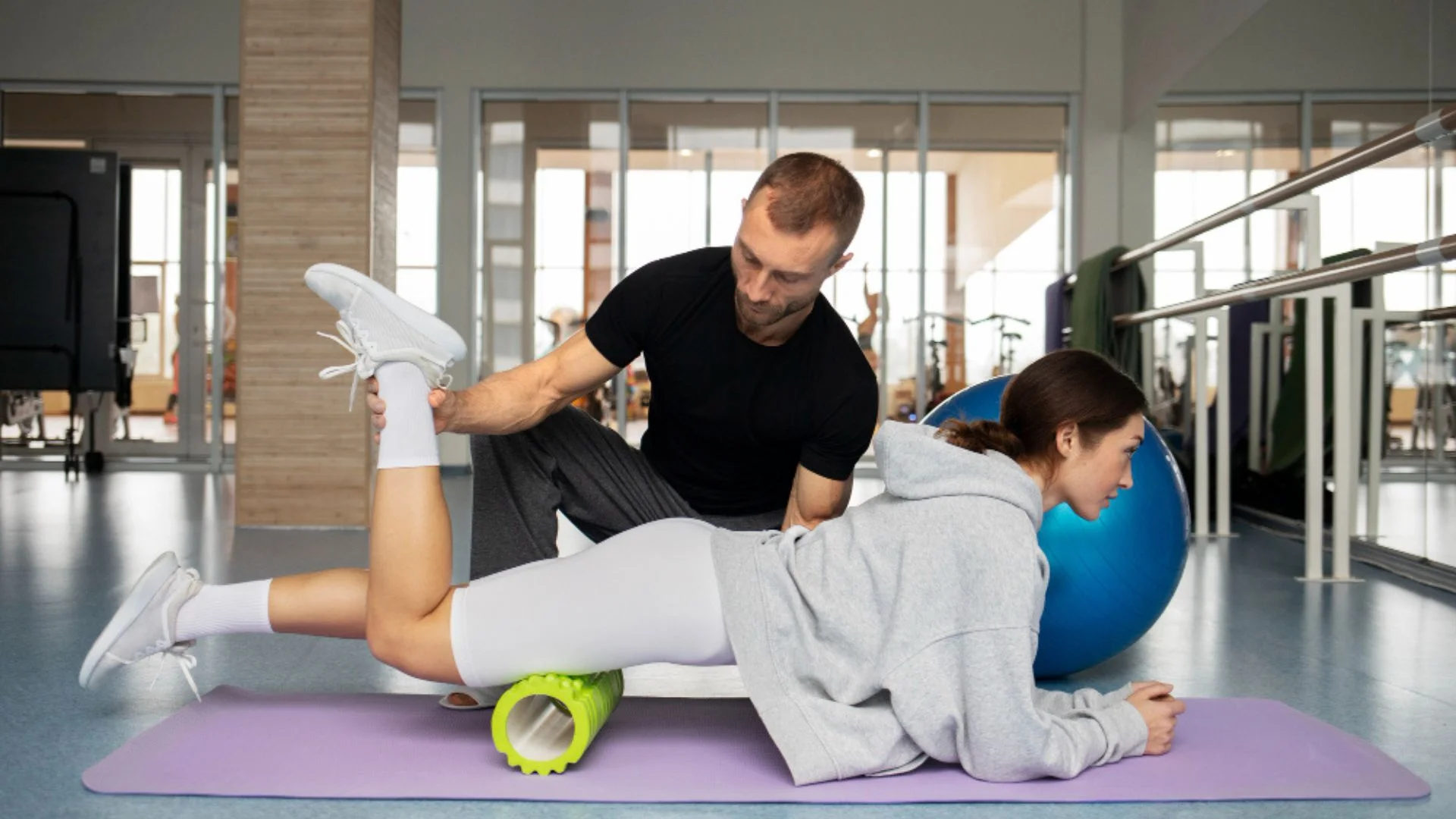
An injury has a way of slowing everything down. Training schedules pause, routines fall apart, and suddenly even simple movements feel unfamiliar. That moment when someone searches for sports rehabilitation near me, usually comes with equal parts urgency and confusion. There is pain, yes, but also questions. How long will recovery take? Will performance return to what it was before? And who actually knows how athletes’ bodies work?
In a city like Bangalore, where running groups meet at dawn, badminton courts stay booked till late, and weekend football leagues are serious business, injuries are part of the landscape. Not welcome, but common. Recovery, though, is where things get interesting.
This guide walks through how sports rehabilitation works, what athletes should expect, and how to make choices that actually support long-term performance, not just quick fixes.
Why Sports Injuries Need A Different Approach
An athlete’s body is not the same as a sedentary body. Muscles fire differently, joints handle repetitive stress, and movement patterns are often highly specialised. Treating a sports injury like a regular ache can feel a bit like patching a racing bike with duct tape. It may hold for a while, but it will not hold under pressure.
Sports rehabilitation focuses on restoring function, not just reducing pain. That distinction matters. Pain relief without rebuilding strength, control, and confidence often leads to re-injury. And that cycle is exhausting, physically and mentally.
Athletes often notice this themselves. Pain reduces, training resumes, then something feels off. A slight hesitation. A weaker push-off. That is the body asking for proper rehab, not shortcuts.
What Sports Rehabilitation Actually Involves
There is sometimes a misconception that rehabilitation is just a set of exercises handed over on day one. In reality, it is more layered than that.
A structured rehab program usually includes:
- Detailed assessment of movement patterns, not just the injured area
- Progressive strengthening tailored to the sport
- Mobility and flexibility work that supports performance
- Neuromuscular control and balance training
- Gradual return-to-sport planning
And yes, rest plays a role. But rest alone rarely rebuilds resilience.
Sports physiotherapy sits at the centre of this process. It bridges the gap between injury and full return to play, making sure the body is not only healed, but prepared.
Common Sports Injuries Seen In Bangalore
The types of injuries vary, but certain patterns show up often in active adults and competitive athletes around the city.
- Knee injuries from running, football, and badminton
- Shoulder strains in swimmers, throwers, and gym-goers
- Ankle sprains that never quite healed properly
- Lower back pain from sudden training load increases
- Muscle tears due to inadequate warm-up or fatigue
Each of these injuries demands a slightly different rehab strategy. That is where generic exercise videos fall short. Bodies are individual, and so are injuries.
The Mental Side Of Recovery
Here is something that does not get talked about enough. Injury messes with the mind. Athletes often struggle with frustration, fear of re-injury, or loss of confidence. Some even rush recovery just to feel normal again.
Good rehab acknowledges this. Progressions are planned carefully. Setbacks are explained, not brushed aside. There is reassurance, but also honesty.
Recovery is rarely linear. Two good weeks followed by a bad day is normal. Annoying, but normal.
Choosing The Right Rehabilitation Support
Searching for sports rehabilitation near me brings up plenty of options. The challenge is knowing what actually matters, especially when recovery timelines and performance goals are involved.
At Arigato Wellness, rehabilitation is approached with the athlete in mind, not just the injury. The focus stays on how the body moves, recovers, and returns to sport safely.
What sets the right support apart:
- Hands-on experience working with athletes across different sports
- Individualised rehabilitation plans, not preset routines
- Clear return-to-sport guidance that builds confidence, not fear
- Strong emphasis on movement quality, control, and strength progression
- Clear communication that explains the why behind every exercise
Rehabilitation should feel collaborative, not rushed. When care feels attentive, structured, and transparent, recovery tends to move in the right direction.
When Should Rehab Begin?
Earlier than most people think.
Rehab does not always mean aggressive exercise. Early-stage rehab can involve gentle movement, education, and strategies to prevent compensation. Waiting too long often allows bad movement habits to settle in. And those are harder to unlearn.
So yes, even if pain feels manageable, structured rehab for athletes can prevent long-term issues. Think of it as maintenance, not damage control.
How Long Does Recovery Usually Take?
This is the question everyone asks. And the answer is… it depends. Annoying answer, but true.
Recovery timelines depend on:
- Type and severity of injury
- Sport-specific demands
- Consistency with rehab
- Sleep, nutrition, and stress levels
Two athletes with the same diagnosis may recover at very different speeds. Comparing timelines rarely helps.
Returning To Sport Safely
The goal of rehab is not just to get back, but to stay back.
Return-to-sport phases often include:
- Controlled sport-specific drills
- Load management guidance
- Technique correction if needed
- Monitoring fatigue and warning signs
Skipping this phase is risky. The body may feel ready, but readiness is more than pain-free movement. Anyway, this is where rehab for athletes truly proves its value.
Injuries can feel like setbacks, but they also offer insight. Weak links become visible. Training habits get questioned. Recovery routines improve. Strange, but true.
Athletes who commit to proper rehabilitation often return stronger, more aware, and more resilient. Like reinforcing a building rather than just repainting a crack.
Conclusion
Looking for sports rehabilitation near me is not just about convenience. It is about finding care that understands sport, movement, and the realities of recovery. In Bangalore’s active community, quality rehabilitation can be the difference between recurring injuries and sustained performance.
Recovery takes patience. And consistency. And sometimes, a little humility. But with the right approach, getting back to sport can feel less like starting over and more like moving forward.