
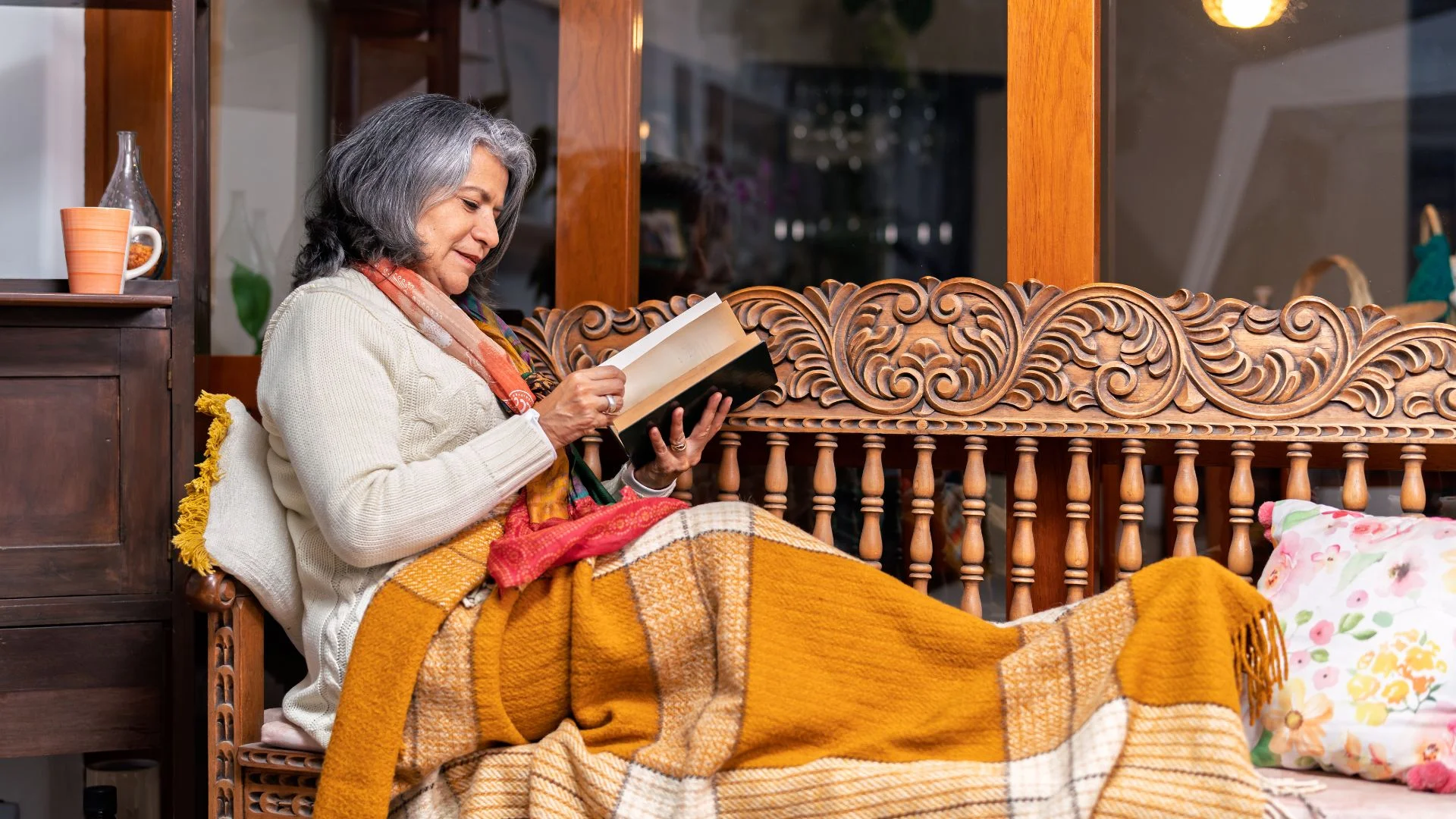
Living alone in the later stages of life can feel wonderfully independent. You control your schedule, your home stays the way you like it, and there is a quiet pride in handling things on your own. Yet, that same independence can come with its own set of challenges, especially when movement becomes a little slower or balance is not what it used to be. Staying safe while staying active is the key.
This blog explores practical movement techniques that help seniors maintain confidence and independence at home without feeling limited.
Why Safe Movement Matters
The body changes as we age. Sometimes the changes arrive slowly, other times they show up in a single surprising moment. A small wobble while standing up. A step that does not land quite right. These little clues tell us that strength and coordination need a bit more attention than before.
Safe movement is not about caution to the point of hesitation. It is really about setting up the body for success. When everyday actions like reaching into a cupboard or stepping into a shower feel smoother and more secure, confidence grows, too. That comfort is worth protecting.
Strength Starts with the Basics
Strength keeps us steady. It lets us lift, carry, push, and move without stressing our joints. The great part is that strength can be built with simple habits around the home.
A few practical moves include:
• Standing from a chair with control rather than using momentum
• Holding a countertop and rising up onto the toes briefly to activate calf muscles
• Gently engaging the abdominal area while breathing normally to support the spine
• Carrying bags or objects close to the body instead of stretching the arms fully out
None of these needs special equipment. Just consistency and a little patience. Even slow progress is progress.
Balance: A Skill Worth Practicing
Balance slips when we stop using it. That is the tricky thing. A quick daily reminder can help the body remember how to stay grounded.
Simple balance friendly habits:
• Standing with feet a little apart while lightly holding a stable surface
• Shifting weight gently from one leg to the other
• Taking shorter, deliberate steps when walking across different surfaces
• Turning the whole body instead of twisting the spine suddenly
Better balance does something powerful. It reduces the worry that comes with moving around. Freedom grows again.
Smart Ways to Bend and Reach
Reaching down or up might seem harmless until the back decides otherwise. A safer approach uses the legs and keeps the spine supported.
Two small ideas guide safer bending and reaching:
• Get closer to what you want.
• And bend at the knees and hips, not the back.
Some everyday adjustments:
• Using reachers or grabbers so climbing is never needed
• Keeping important items in easy-to-access spots
• Resting a hand on a tabletop for stability while lowering the body
• Avoiding twisting when carrying something, even something light
Just thinking through the motion before doing it can prevent a lot of discomfort.
Simple Fall Prevention at Home
Even a familiar home can hide a few troublemakers. The coffee table that sits just a bit too far out. The rug that moves a little under the feet. Taking a moment to spot issues makes the home a safer place to move freely.
A few changes that help:
• Keeping pathways wide and free of cables or loose objects
• Placing nightlights in hallways and bathrooms to guide movement in the dark
• Wearing shoes or socks with a proper grip indoors
• Installing grab bars near the toilet and inside the shower
Home should feel like a safe haven. Small improvements help make sure it stays that way.
Using Supportive Equipment Without Hesitation
There is a common hesitation when someone suggests a cane or walker. It may feel like letting go of independence. In reality, though, these tools protect independence. They help the body move comfortably and reduce the chance of falls.
Some supportive options that help:
• Canes for a little stability during everyday walking
• Walkers for longer distances or uneven ground
• Proper shoes that give a secure grip
• Shower chairs that remove the fear of slipping in the bathroom
Choosing the correct height and fit matters, so guidance from a healthcare professional is helpful. The goal is to support the body, not create more challenges.
Listening to the Body’s Signals
The body speaks quietly sometimes, but the messages are important. A tug of pain. A wave of dizziness. A sense that movement is just off. These signals deserve attention.
A few gentle reminders:
• Slow down when the energy dips
• Pause to regain balance if things feel unstable
• Drink water so the body stays clear-headed
• Ask for help rather than pushing through strain
There is wisdom in recognizing limits. It keeps accidents at bay.
Small Routines That Make a Big Difference
Safety often hides in simple rituals. A stretch before rising from bed helps the muscles wake up. Sitting for a moment before standing helps blood pressure adjust. Short pauses during chores keep energy steady.
These tiny routines do not interrupt life. They make life easier.
Staying Active Without Taking Risks
Movement keeps the body capable. It keeps life fuller, too. The trick is choosing activities that bring pleasure, not worry. For some, that might be a slow walk on a calm morning. For others, gentle chair exercises or watering the plants in the garden.
The important thing is to move. Often enough that the body remembers how.
Conclusion
Safe movement techniques are not just tips. They help seniors keep writing their own story, in their own home, at their own pace. Confidence grows each time movement feels smooth and secure.
Independence is at its best when it is comfortable. With a bit of knowledge and a few small habits, seniors living alone can enjoy that independence every day.