
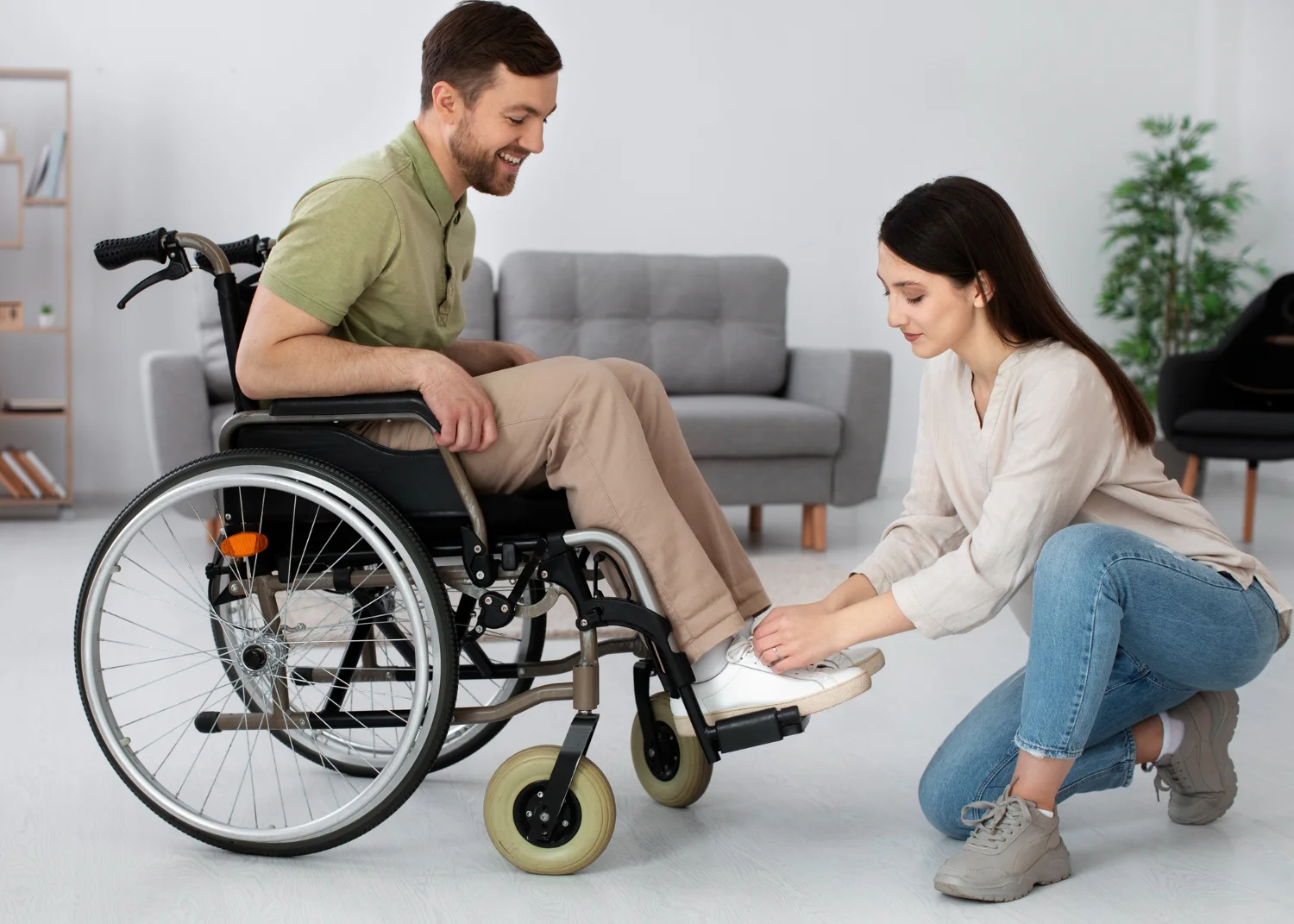
Let’s be honest. When most people hear the term mobility aids, they picture a random cane or an old-fashioned wheelchair. But these tools aren’t just “things you use when you get older.” They are confident. They are independent. They are the ability to show up in life the way you want to. And as a clinician or caregiver, you’re not just handing someone equipment. You’re handing them dignity.
So, let’s talk through the big players: canes, walkers, wheelchairs and those fun little road-warriors called scooters.
This blog is here to help you understand the different options and what really matters when picking a mobility device.
Canes: Small Tool, Big Difference
A cane looks simple enough. But the right one can make someone feel steady again. Imagine you’ve got a patient who says, “I feel fine… until my knee reminds me it’s not twenty anymore.” A cane becomes that small bit of security that stops a stumble from turning into a fall.
Before suggesting one, think of the basics: Can they grip well? Do they understand where the cane should go while walking? Can they coordinate it without staring down at their feet?
Here’s the quick breakdown:
• Single-point cane: Light support for occasional wobbles
• Quad cane: More stable base, helpful after stroke or major weakness
• Offset handle cane: Wrist-friendly option for folks who hate wrist pain
Fit matters: When their arm hangs comfortably, the cane top should hit about wrist height. And yes, it belongs on the opposite side of the weaker leg. Everyone gets that wrong at first. You’ll fix it.
Common users? Post-surgery patients, early arthritis, and mild balance problems. People who say, “I just need a little help now and then.”
Walkers: When Balance Needs Backup
Sometimes “a little help” isn’t enough. Enter walkers. A walker gives structure and control. And honestly, they’re life-changing for someone terrified of falling.
Which kind is best? Depends on how they move and where they live.
• Standard walker: Pick up. Step. Set down. Slow but super steady.
• Front-wheeled walker: Easier for tired arms, keeps movement fluid.
• Rollator (4 wheels): Brakes and a built-in seat. Like a portable rest-stop. Ideal for longer outings.
Make sure the handles match wrist height. And politely nudge them to stand tall, not hunched like a grumpy cat. Teach turning. Teach braking. Teach patience. Walkers often show up after fractures, with neurological conditions like Parkinson’s, or major muscle weakness. Sometimes they act as the bridge between “I’m scared to walk” and “I can do this,” especially when people are just starting to trust mobility aids in their daily routine.
Wheelchairs: Movement Without the Pain
A wheelchair isn’t giving up. It’s choosing energy for things that matter, like meeting friends, going outside, or just moving from room to room without exhaustion. Some people use them temporarily, others permanently. Either way, it’s about freedom.
Manual wheelchairs fit folks who can propel themselves or have a helper who can push. Good for independence. Also, a sneaky cardio workout.
Checklist clinicians rely on:
• Seat should hug the pelvis, not swallow it
• Wheels reachable without straining
• Light frame means less effort, more places to go
Power wheelchairs are the MVP when arms or coordination aren’t strong enough. They reduce fatigue and open up entire communities.
Key things to think about:
• Joystick or alternate controls based on ability
• Posture support to prevent pressure sores
• Does their home actually allow a wheelchair to make a turn? (Common oversight)
People with spinal cord injuries, MS, severe heart or lung conditions, or major neurological disorders are common users. The goal is simple: move without fear.
Scooters: Freedom With a Little Flair
Mobility scooters are the surprise heroes. People who still walk short distances think they don’t “need” one until they try it and realize how much more they can do. Grocery stores. Parks. Festivals. All possible again without a nap afterward.
Three kinds usually pop up:
• 3-wheel: Easy turning indoors
• 4-wheel: More stable outside
• Handicap scooters with comfy seats and adjustable controls for posture support
But scooters aren’t for everyone. A person needs enough steering control and awareness to operate safely. And they’ll need to check curbs, driveways, and transportation options first. Some even get support through medicare help for seniors if the device is medically necessary.
Perfect candidates? COPD, chronic pain, mild neuro conditions, and anyone tired of cutting outings short. Also, they’re incredibly popular in senior care facilities, where independence equals happiness.
Decision Time. What Truly Matters?
Let’s put diagnosis aside for a second. Real success comes from figuring out how this device fits into daily life.
Ask yourself (and them):
• Can they see and think clearly enough to use it safely?
• Will their home cooperate? Wide enough doorways? No stair traps?
• Are they motivated to learn?
• Long-term changes expected? Plan.
• Where do they want to go? Community access? Trips with family?
Training is everything. A great fit can still end badly if used incorrectly. Clinicians often layer in fall recovery skills, brake handling, posture coaching, and regular check-ups.
Families sometimes worry about cost. That’s where medicare help for seniors comes into play again. Many also look toward senior care facilities for extra rehab or adaptive support if mobility changes quickly. And yes, handicap scooters can sometimes be funded too. This whole process is teamwork.
Conclusion
At the end of the day, mobility aids are tools for living fully. Not limitations. Not symbols of decline. They help people stay active, social, and present in the world. From clinic visits to senior care facilities, the right choice means a person gets to keep showing up for their own life. Clinicians who slow down, ask the right questions, and personalize the choice transform mobility into freedom, and options like medicare help for seniors can make that support more accessible for many families.