
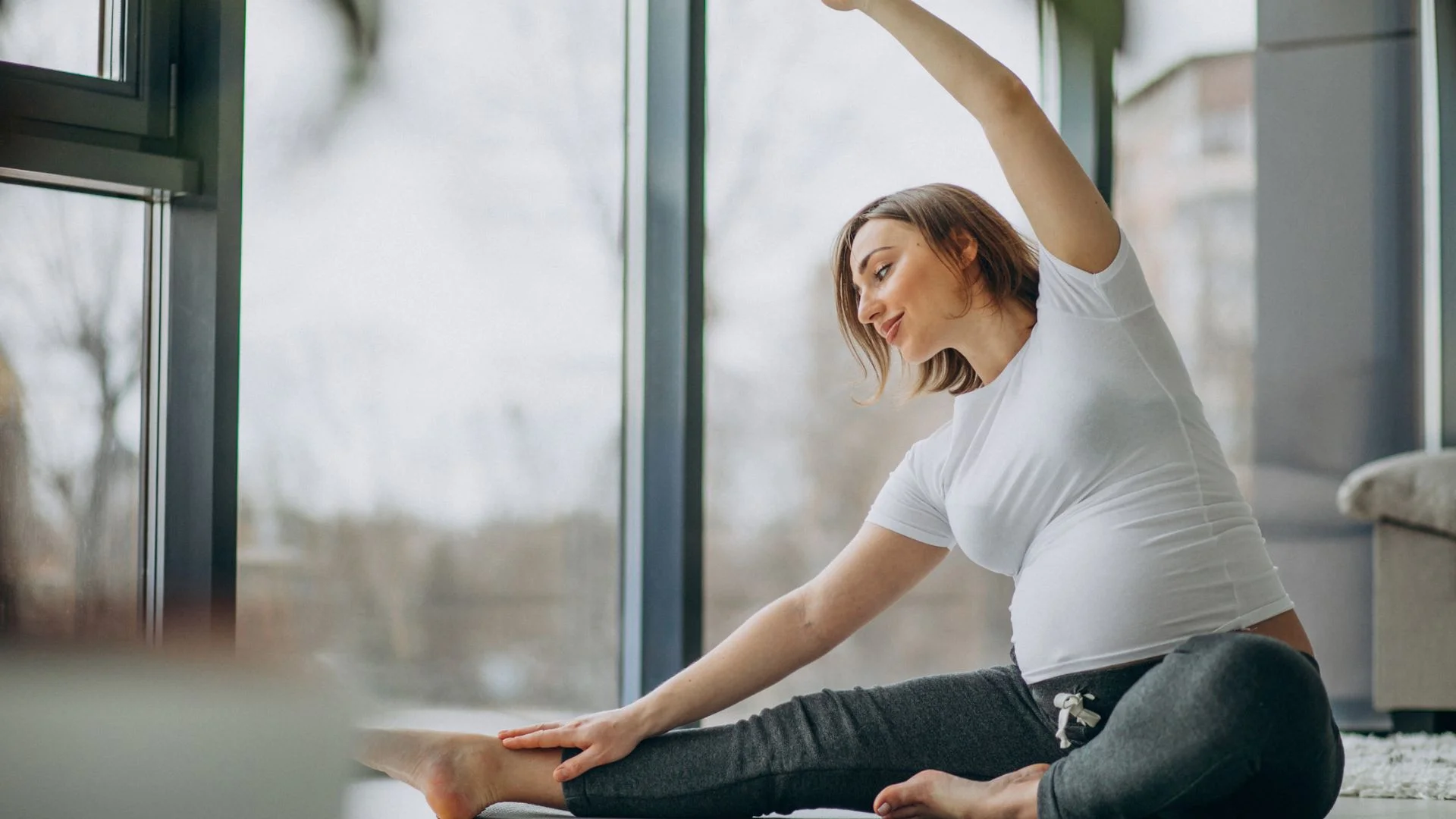
Labour doesn’t begin the day contractions start. It builds quietly over months as the body adapts to pregnancy in ways that aren’t always obvious. Muscles stretch. Joints soften. Balance shifts. Even breathing patterns change without much notice. All of it is natural, but that doesn’t mean the body automatically knows how to handle the demands of labour with ease. That’s where prenatal strengthening exercises come in.
This blog explores how purposeful movement during pregnancy prepares the body for labor, supports confidence, and helps the experience feel less unfamiliar when the moment arrives.
Why the Body Needs Preparation for Labour
During labour, muscles must support long periods of effort while staying flexible enough to adapt. The pelvis needs freedom to move. The core must manage pressure. The legs and hips support changing positions again and again. Without preparation, the body may tense up early, wasting energy and increasing fatigue.
Prenatal exercises gently train the body for these demands. They teach muscles how to engage when needed and relax when it matters most. This doesn’t guarantee a smooth labour, but it gives the body tools to cope better with whatever unfolds.
Building Strength Where Labour Needs It Most
Prenatal strengthening exercises focus on areas that work hardest during labour, making them an important part of exercises for normal delivery. The legs support upright positions and squatting. The glutes and hips stabilize the pelvis. The deep core helps manage posture and pressure as the baby grows.
As pregnancy progresses, everyday movements like standing up, climbing stairs, or rolling in bed demand more effort. Maintaining strength reduces fatigue and helps the body respond more efficiently during labour. Strong, responsive muscles make position changes smoother and reduce the feeling of being overwhelmed as labour intensifies.
The Pelvic Floor’s Role in Labour
A common misconception is that the pelvic floor only needs strengthening. In reality, it needs coordination. These muscles must support the growing baby during pregnancy, then lengthen and relax during labour to allow movement through the birth canal.
Prenatal exercises focus on both activation and relaxation of the pelvic floor. Learning how to release tension can be just as valuable as building strength. This balance supports efficient pushing and reduces unnecessary resistance. Many people are surprised by how much awareness of this area changes their experience of labour.
Improving Hip and Pelvic Mobility
Prenatal exercises include gentle movements that encourage hip and pelvic mobility. These movements help joints move through comfortable ranges without strain. Mobility supports labour positions such as squatting, side-lying, and hands-and-knees, all of which can reduce pressure and improve comfort.
Better mobility often brings relief during pregnancy, too. When the hips and pelvis move freely, the lower back tends to feel less compressed. This comfort makes it easier to stay active, which further supports preparation for labour.
Breathing, Endurance, and Energy Management
Prenatal exercises often integrate breathing patterns that encourage slow, controlled breaths, one of the key pregnancy physiotherapy benefits for labour preparation. These techniques support the core and pelvic floor while helping manage pressure during movement. Breathing also plays a crucial role in emotional regulation, particularly during intense moments.
Endurance matters because labour can last longer than expected. Gentle activities like walking, supported squats, and rhythmic movement build stamina without exhausting the body. This isn’t about intense training. It’s about helping the body stay steady and responsive when effort needs to be sustained.
Practicing Positions Used During Labour
Prenatal exercises introduce positions commonly used during labour, helping the body become familiar with them ahead of time. Practicing these positions builds confidence and reduces hesitation when movement is needed.
Commonly practiced movements include:
- Supported squats to encourage pelvic opening
- Hands-and-knees positions to reduce back pressure
- Side-lying positions for rest and control
When the body recognizes these movements, transitions during labour feel less awkward. Familiarity reduces stress and allows attention to stay focused on breathing and coping rather than figuring out what to do next.
Reducing Tension and Building Body Awareness
Prenatal exercises encourage mindful movement, drawing attention to how the body feels during strength work, stretching, and breathing. Over time, this awareness helps identify unnecessary tension, especially in areas like the shoulders, jaw, and pelvic floor.
Being able to release tension during pregnancy often carries into labour. When the body feels understood rather than forced, it tends to cooperate more easily. This doesn’t remove pain, but it can reduce resistance and conserve energy during challenging moments.
Beyond Labour: Additional Benefits of Prenatal Exercise
Many people notice that staying active during pregnancy improves confidence, posture, and overall comfort. This reflects the broader pregnancy physiotherapy benefits, which include better body awareness and smoother transitions into postnatal recovery.
Exercises that support strength and mobility also align with exercises for normal delivery, helping the body move efficiently during labour while reducing unnecessary strain. These same skills support early recovery, making everyday movements after birth feel more manageable.
Conclusion
Labour asks the body to be strong, adaptable, and resilient, often all at once. Prenatal strengthening exercises prepare the body gradually, building the strength, mobility, endurance, and awareness needed for this experience. By supporting the pelvic floor, hips, core, breathing, and movement patterns, prenatal strengthening exercises help the body respond with greater ease and confidence.
Combined with the wider pregnancy physiotherapy benefits and thoughtfully chosen exercises for normal delivery, preparation becomes less about control and more about readiness. While labour will always be unpredictable, a prepared body is better equipped to move through it with trust, stability, and confidence that lasts beyond birth.