
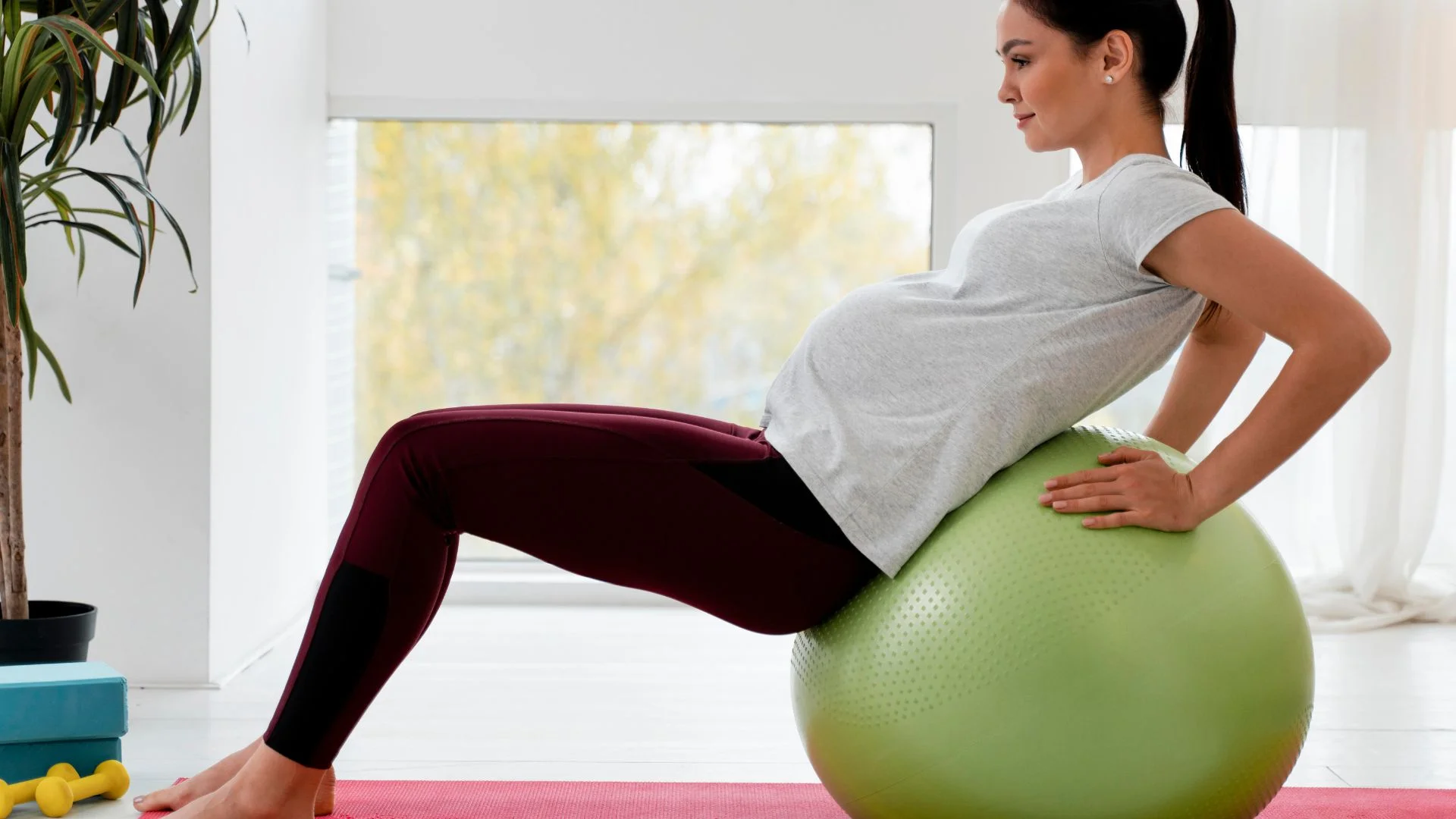
Pregnancy brings excitement, anticipation, and a long list of changes no one fully prepares you for. The body shifts. Joints feel different. Muscles behave in unexpected ways. One week, everything feels fine; the next week, a simple walk feels heavier than it should. That’s usually when people start hearing about prenatal physiotherapy, often while wondering if all this discomfort is just something that has to be accepted.
This blog talks about how the body changes during pregnancy, why aches show up the way they do, and how physiotherapy can make the journey feel more supported, manageable, and a lot less exhausting.
How Pregnancy Changes the Way the Body Moves
Pregnancy reshapes the body gradually, but the impact adds up. Understanding these changes helps explain why movement suddenly feels unfamiliar.
As the baby grows, the center of gravity shifts forward. The lower back arches more, the pelvis tilts, and posture adjusts to keep balance. Hormones increase joint flexibility, especially around the hips and pelvis. This flexibility is necessary, but it also reduces stability during everyday movements.
Muscles that once worked quietly now carry extra responsibility. The core stretches, the pelvic floor works overtime, and supporting muscles fatigue faster. Without guidance, these changes often lead to stiffness, imbalance, and pregnancy back pain relief becoming a daily concern rather than an occasional need.
Managing Common Pregnancy Discomforts
Most pregnancy-related aches share similar roots. They usually come from posture changes, muscle fatigue, and joint strain.
Physiotherapy helps manage issues like lower back pain, pelvic girdle discomfort, hip tightness, neck tension, and leg cramps. Instead of treating one sore spot at a time, physiotherapists look at how the entire body is moving and compensating.
Gentle techniques and guided movement reduce pressure on sensitive areas. Small adjustments in posture and daily habits often make a noticeable difference. With consistent care, many people find daily tasks like walking, sleeping, and standing feel easier and less draining, offering real pregnancy back pain relief without relying on rest alone.
Supporting the Pelvic Floor and Core
The pelvic floor quietly does a lot of work during pregnancy. Its role becomes even more important as the body changes.
Physiotherapy focuses on coordination, control, and strength rather than just tightening these muscles. Many are surprised to learn that relaxation is just as important as activation. A responsive pelvic floor supports bladder control, pelvic stability, and comfort throughout pregnancy.
The core also needs thoughtful support as it stretches and adapts. Physiotherapists guide safe engagement of deep core muscles, reducing strain on the lower back and pelvis. This balanced approach supports posture and prepares the body for later stages, including exercises for easy delivery when the time comes.
Improving Posture and Everyday Movement
Posture shifts gradually during pregnancy. Without awareness, those shifts can quietly increase strain.
Physiotherapists help identify habits that add unnecessary pressure on the spine and joints. Simple changes in how you sit, stand, lift, and sleep can conserve energy and reduce discomfort. These adjustments often feel subtle but powerful.
Movement education may include practical guidance such as:
- Easier ways to get in and out of bed
- Supportive sitting and standing positions
- Safer lifting techniques
- Comfortable sleep postures
These changes support smoother movement and complement prenatal physiotherapy by making everyday life feel less demanding.
Staying Active in a Safe, Supportive Way
Staying active during pregnancy supports both physical and mental well-being. The key is choosing movement that respects the body’s changes.
Physiotherapy encourages gentle, pregnancy-appropriate activity that maintains strength, mobility, and circulation. Exercises evolve with each trimester and adapt to comfort levels. The focus stays on consistency, not intensity.
Regular movement improves endurance, reduces swelling, and supports mood. Physiotherapists also help modify activities as the body changes, ensuring movement stays safe. Over time, this steady approach fosters confidence and prepares the body with exercises that allow for easy delivery, feeling controlled rather than forced.
Preparing the Body for Labor and Beyond
Preparation for childbirth involves more than breathing techniques. Physical readiness plays a quiet but important role.
Physiotherapy supports pelvic mobility, posture awareness, and muscle coordination needed during labor. Learning how to move, shift positions, and relax specific muscles can reduce strain and support efficient effort during delivery.
This preparation often reduces fear. When the body feels understood, tension eases. Many find that prenatal physiotherapy helps build trust in their body’s ability to adapt and respond during labor.
Supporting Recovery After Birth
Recovery starts the moment the baby arrives. Early guidance can shape how smoothly that transition feels.
Physiotherapy after birth focuses on pelvic floor recovery, core reactivation, posture correction, and gradual return to activity. Addressing these areas early supports healing and reduces long-term discomfort.
Guided recovery also helps manage the physical demands of feeding, carrying, and daily care. Continued movement support complements earlier pregnancy back pain relief efforts, helping the body regain strength without rushing the process.
Conclusion
Pregnancy places unique demands on the body, but discomfort doesn’t have to define the experience. With the right support, movement can feel easier, not harder. Prenatal physiotherapy helps manage pain, improve posture, support strength, and prepare the body for both delivery and recovery.
By combining awareness, gentle movement, and targeted exercises for easy delivery, prenatal physiotherapy supports a healthier, more confident pregnancy journey from the early months through postpartum recovery.