
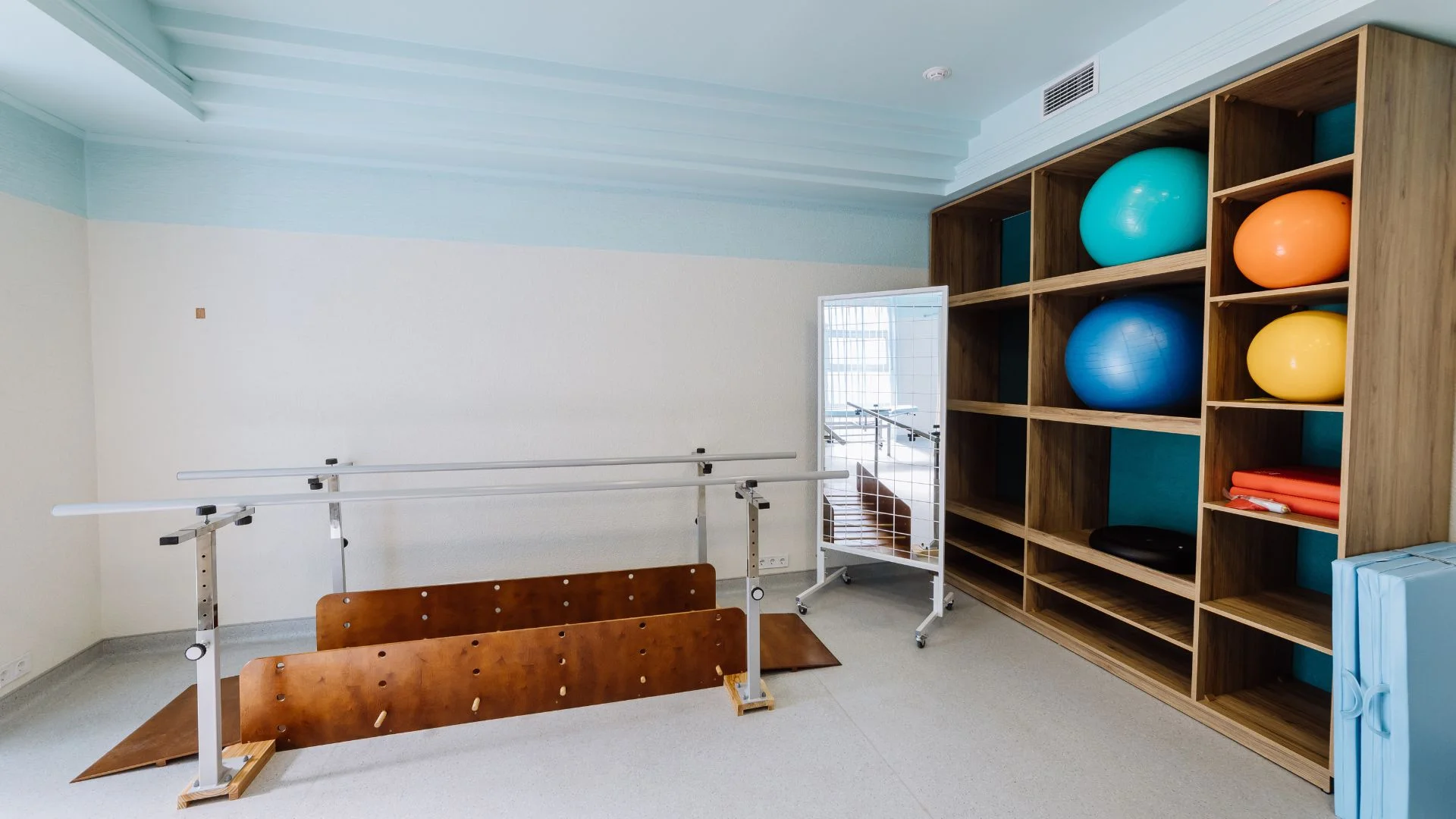
Walking into a physical rehabilitation center for the first time can feel strangely familiar, even if you’ve never stepped into one before. There’s something about the atmosphere that hints recovery doesn’t need to be rushed. It just needs a starting point. The place carries structure, warmth, and a quiet sense of possibility that seems to follow from room to room. It’s normal to look around and wonder what really happens behind each door, what the treatments involve, and how the whole process works.
This blog breaks it all down in simple, friendly language so you know exactly what to expect.
Assessment and Personalized Planning
Before any treatment happens, there’s a small pause. Not dramatic, just intentional. A moment where the team gets to understand more than your injury. They want to understand your life, your routines, and the things you’re trying to get back to.
That’s why the first appointment usually includes a full assessment. Think of it as a starting point. There may be mobility checks, strength tests, and a conversation about what’s been difficult lately. Therapists use this information to design a plan that actually fits into your day, instead of forcing you to rearrange your entire world around recovery.
From here, a team may come together to map out your treatment. Physiotherapists handle movement and strength. Occupational therapists focus on everyday activities. Speech therapists step in when communication or swallowing needs support. Sometimes, pain specialists or psychologists are added to make the process smoother. The idea is simple: break the journey into small, doable steps so progress feels real instead of overwhelming.
Core Treatments You’ll Encounter
Rehab sessions might seem mysterious from the outside, but once you’re in the room, everything starts to make sense. Treatments are designed to work together, almost like different pieces of a puzzle.
Physical therapy often takes center stage. It helps improve balance, rebuild strength, and restore mobility. Some days involve gentle stretching. Other days include resistance bands, light weights, or low-impact movements that slowly challenge the body. Therapists can also use hands-on techniques to ease tightness and improve joint movement.
Occupational therapy focuses on day-to-day life. Need better grip strength for cooking? Trouble climbing stairs? Difficulty with routines after surgery? This therapy teaches practical strategies that make everyday tasks easier, often in surprisingly creative ways.
Pain management is another key part of recovery. Heat therapy, ice, ultrasound, and electrical stimulation may be used to calm irritation and reduce discomfort. These techniques help create a more relaxed environment for healing, especially for long-standing pain.
Speech and language therapy steps in when communication, memory, or swallowing has been affected. These sessions help retrain muscles, strengthen cognitive skills, and support clearer communication.
Somewhere in the middle of all these treatments, the term physical rehabilitation center becomes more than just a building. It becomes a support system that adjusts to your needs, rather than forcing you to adjust to its routines.
Technology That’s Changing Rehab
Walk into a modern rehab space, and you’ll notice that technology isn’t flashy or overwhelming. It quietly supports the work therapists do every day. The tools may look simple, but each one plays a specific role in boosting recovery and making therapy more effective.
Technology is used thoughtfully. You might see therapeutic ultrasound for easing deep tissue discomfort or electrical stimulation to help activate muscles that need extra support. Heat and cold therapy units are commonly used to reduce inflammation and prepare the body for movement. Some sessions may include equipment that improves balance, coordination, or controlled strengthening.
A few tools you might come across include:
- Electrical muscle stimulation that helps wake up weak or inactive muscles
- Ultrasound therapy to reduce pain and promote tissue healing
- Therapeutic exercise equipment like balance boards, resistance tools, and mobility aids
- Monitoring tools therapists use to track progress and adjust their plan
The focus stays on people, not machines. Technology doesn’t replace therapists. It simply enhances their ability to guide you safely, accurately, and confidently through each step of recovery.
What a Typical Session Feels Like
Even with all this information, it’s completely normal to wonder what a session actually feels like. Most people imagine something intense. But rehab usually has a calm rhythm to it.
It starts with a quick check-in. A therapist asks how things feel today, what’s improved, and what’s bothering you. This shapes the session. Then comes a warm-up to prepare the body. After that, the main exercises begin. Some are slow and controlled. Others feel more challenging. But everything is adjustable. Too tough? It’s modified. Too easy? It’s leveled up.
There’s no competition in rehab. No pressure to outperform anyone. Just steady progress. And those small wins eventually build into noticeable changes that feel incredibly rewarding.
Life Beyond the Center
Healing doesn’t clock out when the session ends. A good rehab plan always includes what to do at home. These may be simple exercises, tips for posture, or ways to make daily activities safer and more comfortable.
Therapists often share insights that stick with you long after treatment. Things like lifting safely, adjusting your workspace, or pacing movements to avoid flare-ups. The goal is independence. Confidence. And the ability to understand your own body a little better each day.
Conclusion
A physical rehabilitation center isn’t just a place filled with equipment and exercises. It’s a community built around recovery, patience, and progress. With the right mix of treatments, technology, and guidance, it becomes a space where healing feels achievable instead of daunting. Whether the journey is just beginning or already underway, knowing what to expect makes every step feel a little lighter and a lot more hopeful.