
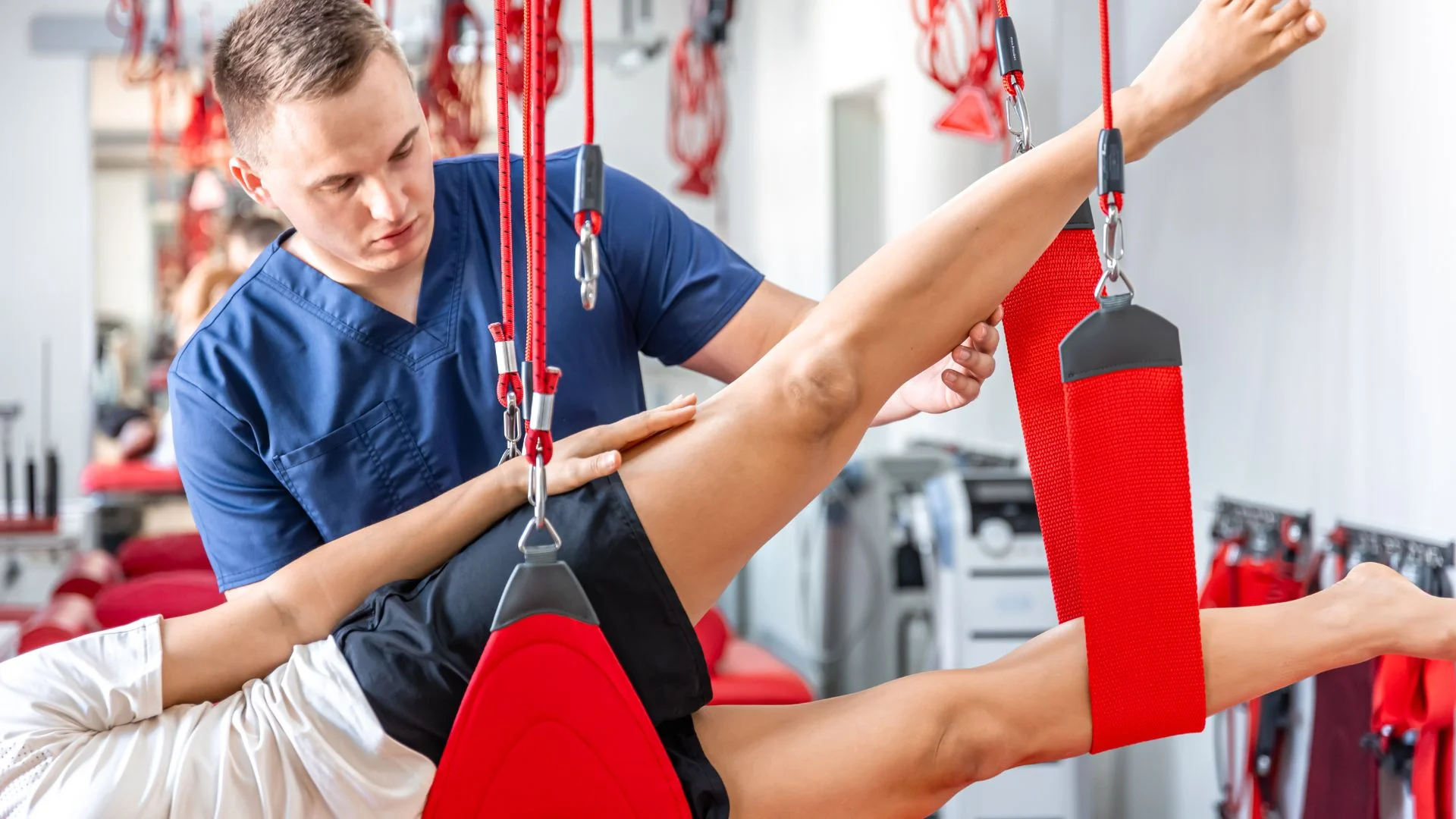
A fracture hits like an unexpected pause button. One moment, everything feels normal, and the next, even simple movements demand effort. Then comes immobilization, that long stretch of stillness when the limb stays locked in place so the bone can repair itself. Necessary, yes, but it brings stiffness, weakness, and a weird disconnect from the injured area. That’s exactly where therapy for a broken arm or any other fracture becomes essential. It rebuilds mobility, steadies the body, and slowly brings confidence back into every movement. And once the cast finally comes off, the real journey starts.
This blog is going to talk about how that journey works and how the body learns to move freely again.
Why the Body Feels Different After Immobilization
Before building strength, it helps to know what the body has been dealing with. When a limb stays still for weeks, everything around it goes into rest mode.
Muscles shrink from lack of use. Joints lose their smooth glide. Blood flow slows. And the brain, which usually runs the show, has not practiced coordinating that limb for a while. No wonder everything feels stiff or awkward at first.
None of this means something has gone wrong. It is simply the body adjusting to weeks of healing. Rehabilitation steps in to reverse these changes and guide the transition back to normal function.
The First Steps Once the Cast Comes Off
The moment support is removed, the limb feels lighter but strangely fragile. Two lines of setup help here. Early rehab is all about reminding the body how to move again. Nothing rushed. Nothing forced.
Gentle, controlled motion comes first. Bending. Straightening. Small rotations. These small moves help the joints wake up and encourage the muscles to switch back on. It may feel tight or even a little sore at first, but with time, the tissues warm up and loosen.
Consistency matters more than speed here. Slow and steady truly wins this phase.
Restoring Mobility and Flexibility
Once the limb tolerates basic motion, it is time to work on flexibility. After immobilization, muscles and connective tissues tighten up like stubborn knots.
Mobility work gently untangles them. This stage often involves stretching, assisted movements, and techniques to restore natural joint motion. A few extra degrees of movement can make simple tasks feel easier again. The changes may be subtle, but they build the foundation for everything that comes next.
No two bodies respond the same way, which is why this part is always adjusted to fit the individual.
Strength Training After a Fracture
Strength does not magically return just because the bone has healed. It needs to be rebuilt intentionally. Two short lines prepare for that. After weeks of stillness, muscles need targeted activation. Strength training brings stability back to the limb.
Early exercises are gentle and controlled. Body weight movements. Light resistance bands. Slow, thoughtful repetitions. As confidence grows, bone healing exercises become a bit more challenging. The goal is safe progress, not maximum load.
Common strengthening methods include
• Gradual weight bearing to stimulate stability
• Resistance training for supporting muscles
• Balance and control drills
• Functional tasks that mirror everyday movements
With time, the limb begins feeling like part of the body again instead of something fragile or unfamiliar. This stage often includes a mix of physiotherapy techniques and bone healing exercises to rebuild well-rounded strength.
Balance and Coordination Training
Something surprising happens after a fracture. Even after strength returns, balance can feel off. The body simply has not practiced using the injured limb for a while.
So rehab includes activities that restore coordination. Shifting weight from side to side. Standing on one leg. Stepping in different directions. These movements teach the brain and muscles to cooperate again. Confidence grows as balance steadies, and daily activities feel less uncertain.
This middle phase may also include therapy for a broken arm or leg that challenges both balance and precision to prepare the limb for real-world tasks.
Managing Pain and Discomfort Along the Way
Rehabilitation can bring its share of sensations. Some tightness, some soreness, sometimes a dull ache. Most of it comes from joints waking up and muscles learning to work again.
Therapists use techniques like gentle massage, ice, heat, and controlled motion to help ease discomfort. Breathing strategies and pacing also help people feel calmer during more demanding sessions.
Understanding the difference between expected soreness and warning pain keeps recovery safe, steady, and less stressful.
The Emotional Side of Getting Back on Track
A fracture affects how someone moves, but it also affects how someone feels. Losing independence or slowing down daily life can be frustrating. Some people feel nervous when they try new movements again. Others become impatient.
Rehabilitation provides reassurance. Structure. A sense of progress. Even small achievements, like lifting a cup or climbing a single stair, can feel huge. These moments keep motivation alive. They remind the person that healing is happening, even if slowly.
Tailoring Rehab to How Your Body Heals
Two lines of introduction explain this clearly. Every fracture heals differently. Everybody responds in their own way. There is no universal plan that works for everyone.
That is why physiotherapy and bone healing exercises are tailored at every step. Some people need more mobility work. Others need strength. Some progress fast. Others need a gentler pace. A customised approach keeps recovery safe and aligned with how the bone and surrounding tissues are healing.
Conclusion
Post-fracture rehabilitation brings the body back to life after weeks of stillness. It restores motion, rebuilds strength, and renews confidence in everyday tasks. With structured guidance, consistent bone healing exercises, and professionally supported physiotherapy, the injured limb gradually feels strong and dependable again. And with the right approach, therapy for a broken arm or any other fracture helps people move forward with stability, comfort, and trust in their body once more.