
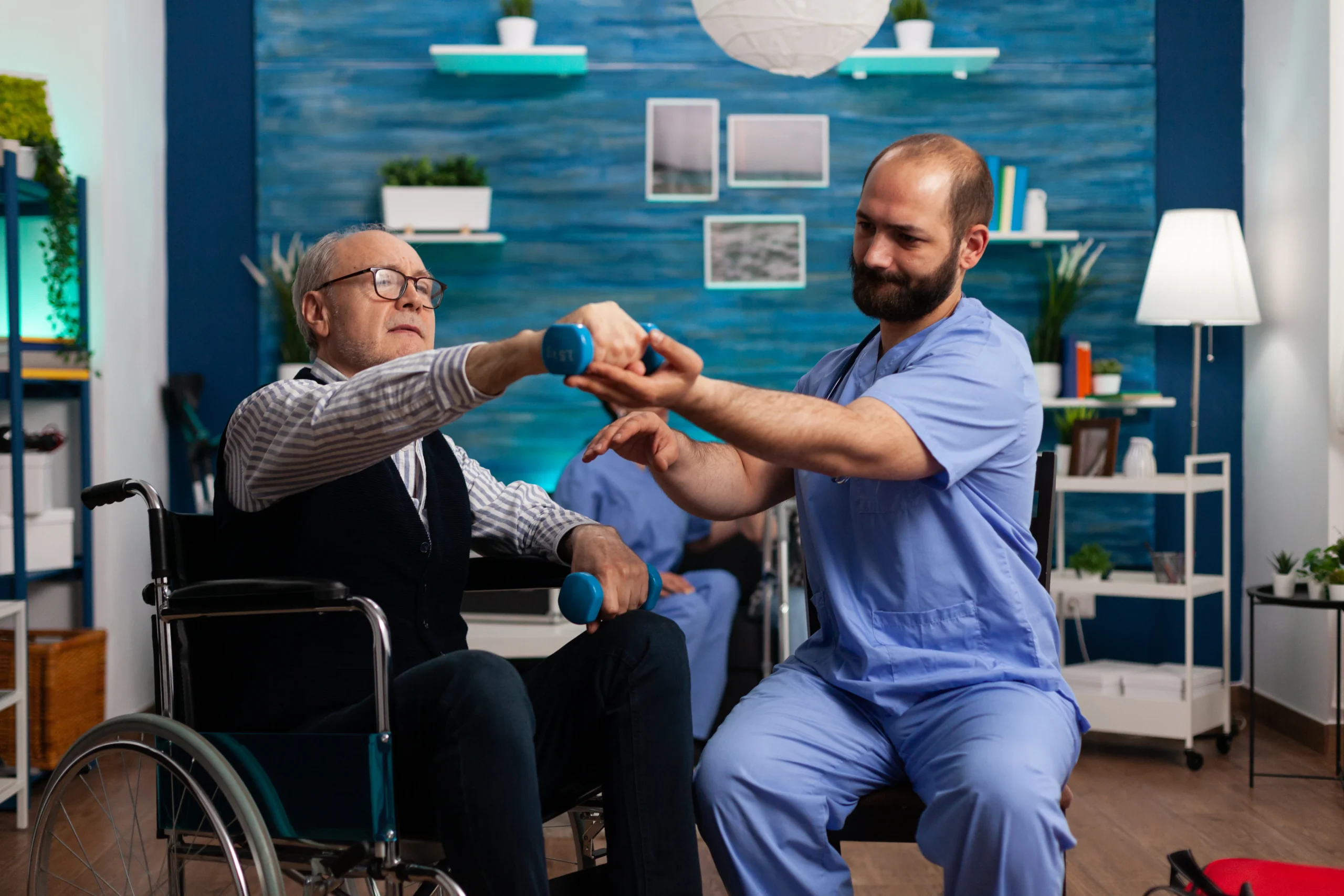
Recovery after a stroke or paralysis doesn’t happen overnight. It’s slow, sometimes frustrating, and often unpredictable. But here’s the important part, the body is more adaptable than it seems. That’s exactly where how neuro rehabilitation helps stroke patients walk again becomes meaningful. It’s not about quick fixes. It’s about retraining the brain and body to reconnect, step by step.
In many cases, patients feel stuck at first. The intention to move is there, but the body doesn’t respond the same way. That gap can feel overwhelming. But with the right therapy and consistency, progress starts showing up in small, surprising ways.
This blog looks at how neuro rehabilitation works, what actually happens during recovery, and how approaches like stroke recovery physiotherapy and paralysis rehab in Bangalore support long-term improvement.
What Is Neuro Rehabilitation?
Neuro rehabilitation is not just treatment. It’s more like teaching the body how to move again.
After a stroke or paralysis, the brain’s signals don’t reach muscles properly. Therapy focuses on rebuilding that connection. Through repeated movement and guided exercises, the brain starts forming new pathways.
That’s where stroke recovery physiotherapy becomes important. It helps patients relearn basic movements in a controlled and safe way.
It may look simple from the outside. But internally, a lot is happening.
What Changes After Stroke or Paralysis?
The body doesn’t behave the same way anymore. Movements that were once automatic now require effort.
Common challenges include:
- Weakness on one side of the body
- Loss of balance
- Difficulty standing or walking
- Poor coordination
This is why many patients feel frustrated early on. The body feels unfamiliar.
Rehabilitation focuses on making those movements feel natural again.
How Neuro Rehabilitation Helps Patients Walk Again
Walking is often the biggest goal. And also the most emotional one.
Understanding how neuro rehabilitation helps stroke patients walk again comes down to repetition and retraining. The body learns by doing.
Therapy focuses on:
- Practicing weight shifting
- Improving balance
- Strengthening muscles
- Repeating walking patterns
At first, even standing can feel like a challenge. Then comes a step. Then another.
Programs like paralysis rehab in Bangalore are designed to guide patients through this process safely, with support at every stage.
What Happens During Therapy Sessions?
Sessions are not random. They follow a structure, but also adapt to how the patient responds.
Some common elements include:
- Guided walking practice
- Balance exercises
- Muscle strengthening
- Coordination drills
In stroke recovery physiotherapy, the focus is always on functional movement. Not just exercise, but real-life actions like standing, stepping, and turning.
Progress may feel slow. But it builds.
Why Consistency Matters More Than Intensity
There’s a common misconception that harder effort means faster recovery. That’s not always true here.
Recovery depends on repetition. The brain needs time to learn.
Skipping sessions or stopping early can slow things down. That’s why structured programs like paralysis rehab in Bangalore focus on regular sessions and simple home routines.
Small efforts, done consistently, make the biggest difference.
Common Questions Patients Often Have
How long does recovery take?
There’s no fixed timeline. Some improve in weeks, others take months. Consistency matters more than speed.
Will walking fully return?
Not always fully, but significant improvement is common with stroke recovery physiotherapy.
Does therapy hurt?
It can feel challenging, yes. But it’s designed to be safe and progressive.
When should rehab start?
As early as possible. Early movement often leads to better results.
The Role of Environment and Support
Recovery doesn’t stop after therapy sessions.
The environment matters more than people think. Support from family, a safe home setup, and encouragement all play a role.
Simple things help:
- Clear walking space
- Support rails if needed
- Regular practice at home
Many paralysis rehab in Bangalore programs also guide caregivers on how to support recovery outside sessions.
How the Brain Adapts Over Time
The brain is constantly learning. Even after injury.
Through repetition, it forms new connections. This is the core of how neuro rehabilitation helps stroke patients walk again. The brain slowly finds new ways to send signals.
At first, movement feels forced. Then it becomes smoother.
It doesn’t happen all at once. But it does happen.
Conclusion
Neuro rehabilitation gives structure to recovery after stroke or paralysis. It focuses on retraining movement, rebuilding strength, and restoring confidence step by step. Understanding how neuro rehabilitation helps stroke patients walk again shows that progress is not about speed but consistency.
With approaches like stroke recovery physiotherapy and guided programs such as paralysis rehab in Bangalore, patients can regain meaningful movement over time. The journey may feel slow, but each small improvement adds up, bringing the body closer to moving independently again.