
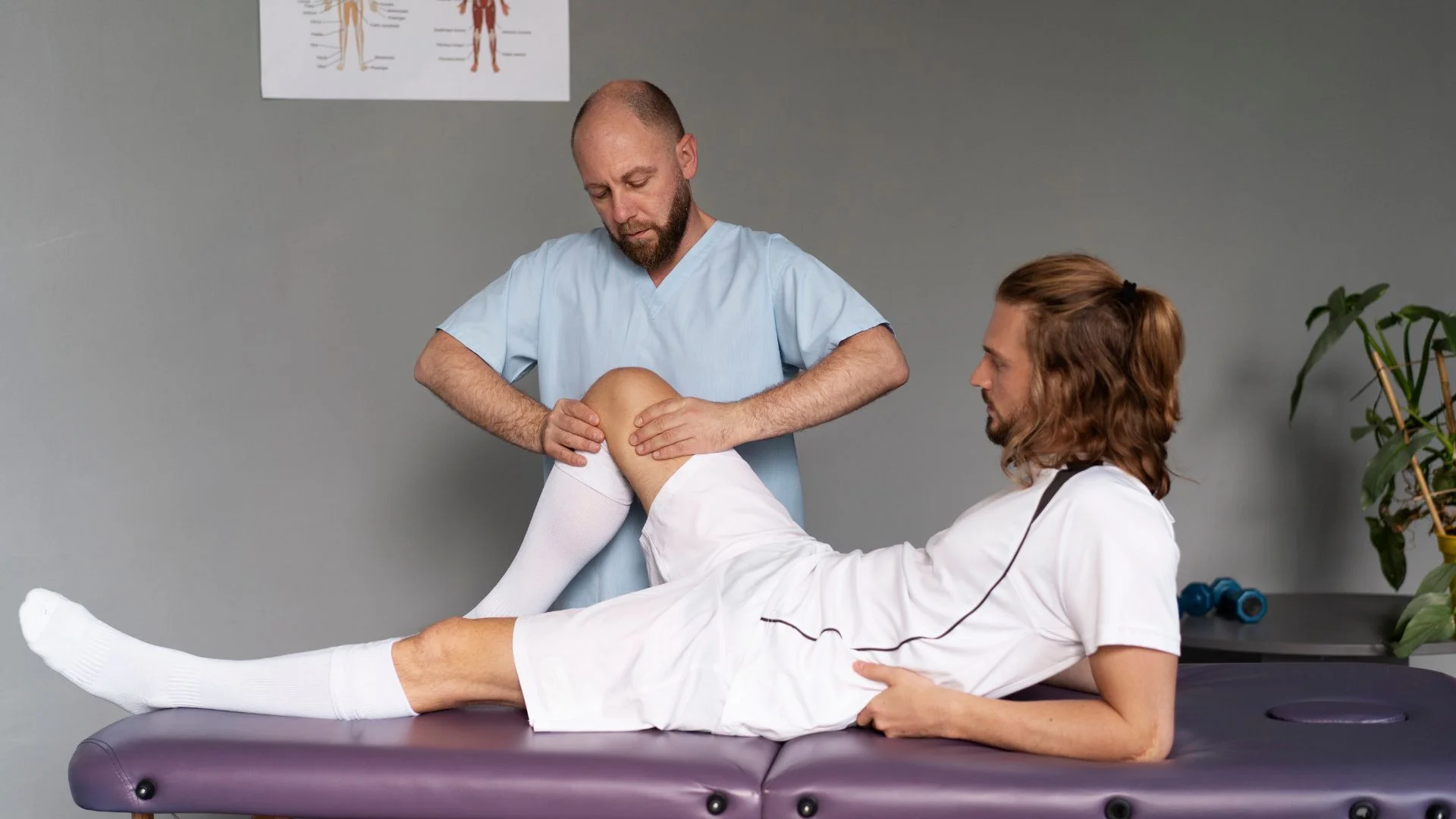
Twisted an ankle during a weekend match? Or maybe that shoulder pain crept in after months at a desk. When the body starts complaining, the big question pops up fast: sports physiotherapy vs general physiotherapy. Which one actually makes sense?
The answer isn’t as complicated as it sounds. It depends on how the injury happened, how active life is, and what the end goal looks like.
This blog explained the difference between sports physiotherapy and general physiotherapy, how injuries and activity levels influence the decision, and what kind of recovery goals fit each approach.
What a General Physiotherapist Actually Does
Most people first land in a general physio clinic. And honestly, that works for a lot of situations.
General physiotherapists treat everyday problems such as back pain, neck stiffness, joint aches, post-surgery recovery, and posture issues. They focus on restoring movement and reducing pain so daily life feels normal again. Think walking comfortably, climbing stairs without wincing, or sitting at work without constant shifting.
There are many physiotherapy treatment options here, including guided exercises, hands-on therapy, and movement correction.
What Sports Physiotherapy Focuses On
Sports physios work with active bodies. Not just professionals. Regular gym goers count too.
Their main focus is on injuries linked to physical activity. That includes sprains, muscle strains, tendon problems, and overuse injuries. Sports injury rehabilitation is a big part of their work. The goal is not just to feel better, but to return to training safely and confidently.
Treatment often includes strength rebuilding, balance training, and sport-specific drills designed to prepare the body for real movement again.
The Injury Itself Tells a Story
Where did the pain start? That question matters more than most people think.
If discomfort came from daily routines like long sitting hours or lifting something awkwardly at home, general physiotherapy is often enough. But if the injury happened during a match, workout, or training session, sports injury rehabilitation may be more suitable.
It is not about titles. It is about matching the injury to the right expertise.
Activity Level Changes Everything
Someone training five days a week has different recovery needs than someone who walks for fitness.
Ask these simple questions:
- Is returning to sport a priority?
- Is performance important, not just pain relief?
- Does training intensity need to go back to the full level?
If yes, sports physiotherapy usually fits better. If the goal is comfortable daily movement, general physio works well. Choosing between sports physiotherapy vs general physiotherapy becomes clearer when goals are honest.
Recovery Goals Are Not the Same
Pain-free movement is one goal. Peak performance is another.
General physiotherapy often focuses on independence in daily life. That means safe lifting, smooth walking, and better posture. Sports physiotherapy adds layers. Agility. Power. Endurance. Coordination.
Sports injury rehabilitation pushes recovery further so the body can handle real game situations again. It is more performance-driven. That is the key difference in physiotherapy treatment options between the two.
After Surgery or Major Injuries
Surgery changes the equation slightly.
For joint replacements or spinal procedures, general physiotherapists commonly guide recovery. They help rebuild strength safely and restore the range of motion.
But for ligament repairs or injuries tied to competitive sports, sports injury rehabilitation may be needed once basic healing is complete. The later stages of recovery often involve sport specific drills. That is where sports physiotherapy vs general physiotherapy becomes more distinct.
Prevention Matters Too
Physiotherapy is not only about fixing pain. It is also about preventing the next problem.
Sports physiotherapists often assess movement patterns to reduce injury risk during training. They adjust technique and build strength in weak areas. That is proactive sports injury rehabilitation before the next injury even happens.
General physiotherapists focus more on posture, workplace setup, and joint protection strategies. Both offer useful physiotherapy treatment options. The focus simply shifts depending on lifestyle.
There Is Some Overlap
Here’s the thing. The line between the two is not always sharp.
Both assess strength, flexibility, balance, and joint movement. Both use exercise programs and hands-on techniques. Many conditions can be handled by either, especially in early stages.
The real difference shows up when returning to high intensity sport is part of the plan. That is when sports physiotherapy vs general physiotherapy truly matters.
So, Which One Should You Choose?
Start with the end in mind.
If the goal is to move comfortably through daily life, sit at work without pain, or recover from a non-sport injury, general physiotherapy is often enough.
If the goal is getting back to competition, intense workouts, or demanding physical activity, sports injury rehabilitation offers a more tailored path. There are different physiotherapy treatment options within each, but the direction of recovery changes.
Conclusion
Choosing between sports physiotherapy vs general physiotherapy does not have to feel confusing. It comes down to how the injury happened, how active life is, and what recovery should look like at the end.
Sports injury rehabilitation focuses on returning to performance and preventing repeat injuries. General physiotherapy focuses on restoring comfort and daily function. Both offer valuable physiotherapy treatment options. The right choice is simply the one that aligns with the body’s needs and the lifestyle it needs to support.