
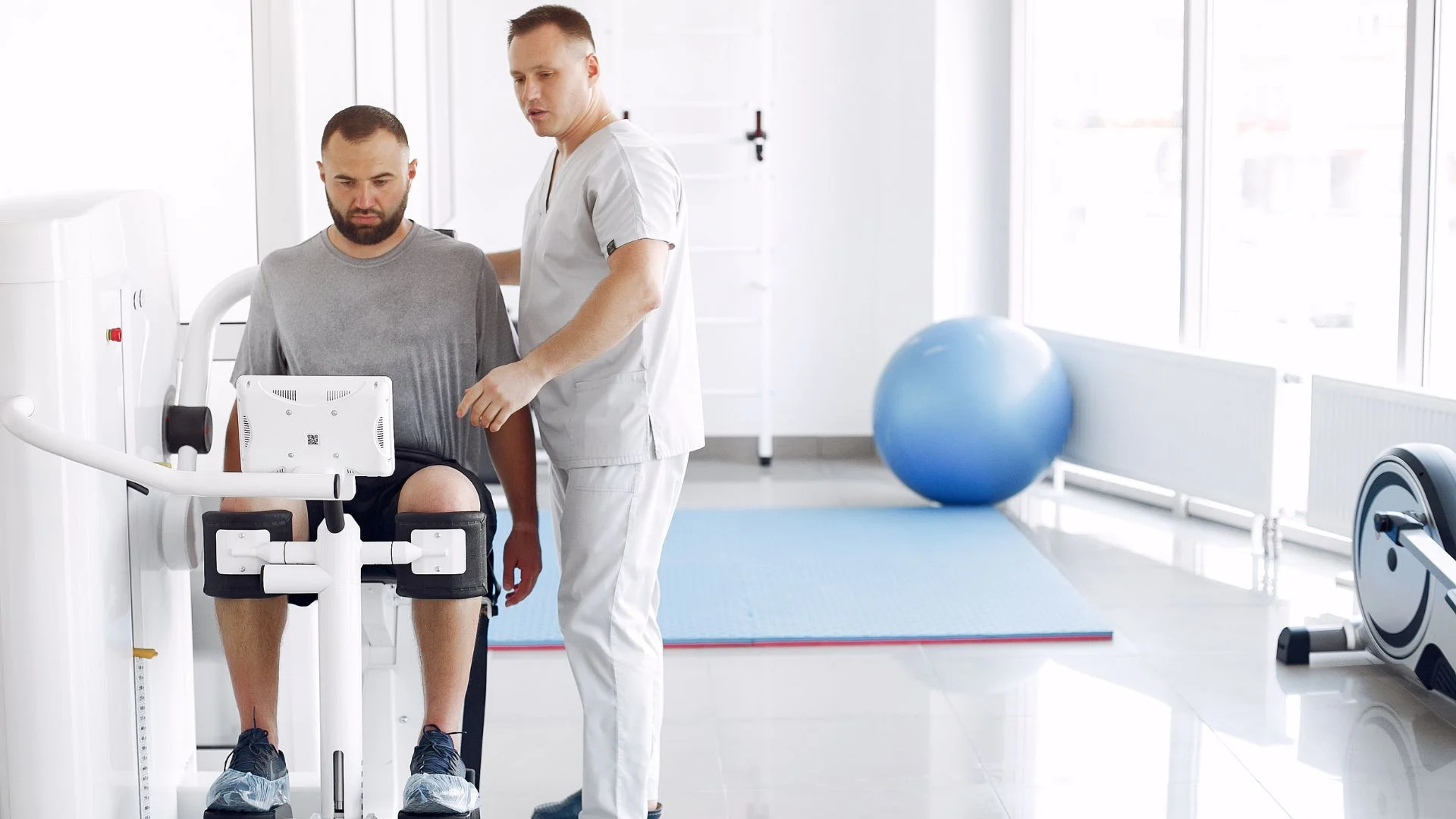
Corporate professionals face mounting physical demands from prolonged sitting, repetitive keyboard use, and high-stress deadlines. These factors contribute to chronic neck pain, lower back issues, and shoulder tension that disrupt productivity and quality of life. Physiotherapy for busy professionals has evolved to address these exact challenges, offering targeted interventions that integrate seamlessly into demanding schedules without requiring major lifestyle upheaval.
The good news is that contemporary physiotherapy no longer demands lengthy clinic visits or extended recovery periods. Advances in treatment protocols, technology, and delivery models make rehabilitation accessible even for those with back-to-back meetings and travel commitments. Professionals can maintain peak performance while addressing pain at its source.
This blog explores practical ways modern physiotherapy supports corporate lifestyles through flexible scheduling, workplace integration, and sustainable pain management strategies.
The Corporate Physical Toll
Desk-bound work creates cumulative strain on the body. Hours spent in suboptimal postures lead to forward head positions, rounded shoulders, and weakened core stability. Add stress-induced muscle guarding and poor sleep, and minor discomforts evolve into chronic conditions. Statistics show that 80% of office workers experience musculoskeletal pain annually, with lower back issues topping the list.
Physiotherapists specializing in occupational health recognize these patterns. They focus on root causes rather than symptoms, combining manual therapy with ergonomic education to break pain cycles. Early intervention prevents minor issues from escalating into conditions requiring surgery or long-term medication.
Flexible Treatment Models
Modern physiotherapy accommodates packed calendars through innovative delivery formats:
- Short, High-Impact Sessions: 20-30 minute appointments deliver focused treatment, ideal for lunch breaks or pre/post-work hours.
- Telehealth Consultations: Video assessments and guided exercises enable remote care, perfect for travel-heavy executives.
- Evening and Weekend Availability: Extended hours cater to those prioritizing work during standard business times.
- Subscription Packages: Monthly plans provide regular check-ins and unlimited messaging support.
These options ensure continuity of care without disrupting professional commitments. Many clinics now offer priority booking for corporate clients, recognizing time as their most valuable resource.
Workplace Wellness Physiotherapy
Forward-thinking companies integrate workplace wellness physiotherapy directly into office environments. On-site clinics, corporate wellness days, and desk-side assessments bring expert care to employees.
Benefits of workplace programs include:
- Immediate Intervention: Address acute strains before they worsen, reducing absenteeism.
- Ergonomic Assessments: Professional workstation evaluations optimize chair height, monitor positioning, and keyboard placement.
- Group Sessions: Lunchtime stretch classes build team camaraderie while improving mobility.
- Preventive Education: Workshops teach proper lifting techniques and posture correction.
Corporate health solutions like these demonstrate measurable ROI. Companies report 25-40% reductions in sick days and improved employee satisfaction scores after implementing physiotherapy programs. For individual professionals, these services provide convenient access without travel time.
Technology-Enabled Care
Digital tools revolutionize physiotherapy for busy professionals. Mobile apps track exercise compliance, provide real-time form feedback, and schedule reminders. Wearable devices monitor posture and movement patterns, alerting users to problematic habits.
Virtual reality-guided rehab offers immersive exercise experiences, increasing adherence through gamification. AI-driven analysis of movement videos allows remote therapists to provide precise corrections. These innovations extend clinic benefits into daily routines, ensuring consistent progress despite irregular schedules.
Portable therapy devices like TENS units, ultrasound wands, and resistance bands enable self-management between sessions. Therapists prescribe customized home protocols, empowering clients to maintain gains independently.
Targeted Treatment Protocols
Busy professionals benefit from condition-specific programs designed for rapid results:
- Neck and Shoulder Pain: Myofascial release combined with scapular stabilization exercises restore mobility in 4-6 sessions.
- Lower Back Issues: Core activation protocols and neural mobilization techniques address disc-related pain efficiently.
- Wrist and Elbow Strain: Nerve gliding exercises and tendon loading programs resolve repetitive strain injuries.
- Hip and Knee Discomfort: Prolonged sitting often causes tightness, corrected through targeted hip flexor stretches and glute strengthening.
Each protocol emphasizes functional restoration over passive treatment. Clients learn self-management techniques, reducing long-term dependency on appointments.
Nutrition and Recovery Integration
Physiotherapists increasingly collaborate with nutritionists to optimize tissue repair. Anti-inflammatory diets complement manual therapy, accelerating recovery. Sleep hygiene education addresses pain-sleep cycles common among high achievers.
Simple dietary adjustments enhance physiotherapy outcomes:
- Omega-3 rich foods reduce joint inflammation.
- Magnesium supports muscle relaxation.
- Collagen supplementation aids tendon repair.
Holistic approaches recognize that physical recovery depends on multiple lifestyle factors, not isolated treatments.
Building Long-Term Resilience
Sustainable physiotherapy focuses on prevention rather than reaction. Clients develop personalized maintenance routines incorporating:
- Daily Mobility Drills: 5-minute routines counter sitting-induced stiffness.
- Ergonomic Home Setup: Principles applied to home offices maintain gains.
- Stress Management Techniques: Breathing exercises reduce muscle tension from deadlines.
- Progressive Loading: Gradual strength building prevents re-injury.
Physiotherapy for busy professionals equips individuals with tools for lifelong resilience. Regular “tune-ups” every 3-6 months maintain optimal function, much like vehicle servicing prevents breakdowns.
Measuring Success Through Performance
Corporate clients value quantifiable outcomes. Physiotherapists track progress using standardized scales:
- Pain reduction (VAS scores)
- Range of motion improvements
- Functional capacity tests
- Return-to-activity timelines
Digital dashboards provide visual progress reports, motivating adherence. Many professionals report enhanced focus, better sleep, and increased stamina after completing programs. These gains translate directly to workplace productivity.
Partnering with Employers
Progressive companies subsidize physiotherapy as an employee benefit. Group rates, on-site services, and wellness stipends make professional care accessible. HR departments recognize physiotherapy’s role in retention and performance.
Professionals should advocate for these programs, presenting physiotherapy as an investment in sustained high performance rather than a medical expense.
Conclusion
Modern physiotherapy seamlessly supports the realities of corporate life, transforming pain management from obstacle to advantage. Physiotherapy for busy professionals delivers efficient, evidence-based care that fits fragmented schedules while building lasting physical resilience.
Through flexible delivery, workplace integration, and technology-enabled support, physiotherapy becomes a strategic ally for high achievers. Regular care maintains peak physical condition, ensuring career longevity and life enjoyment remain uncompromised by preventable pain.